Mountain Hemlock Vs Western Hemlock
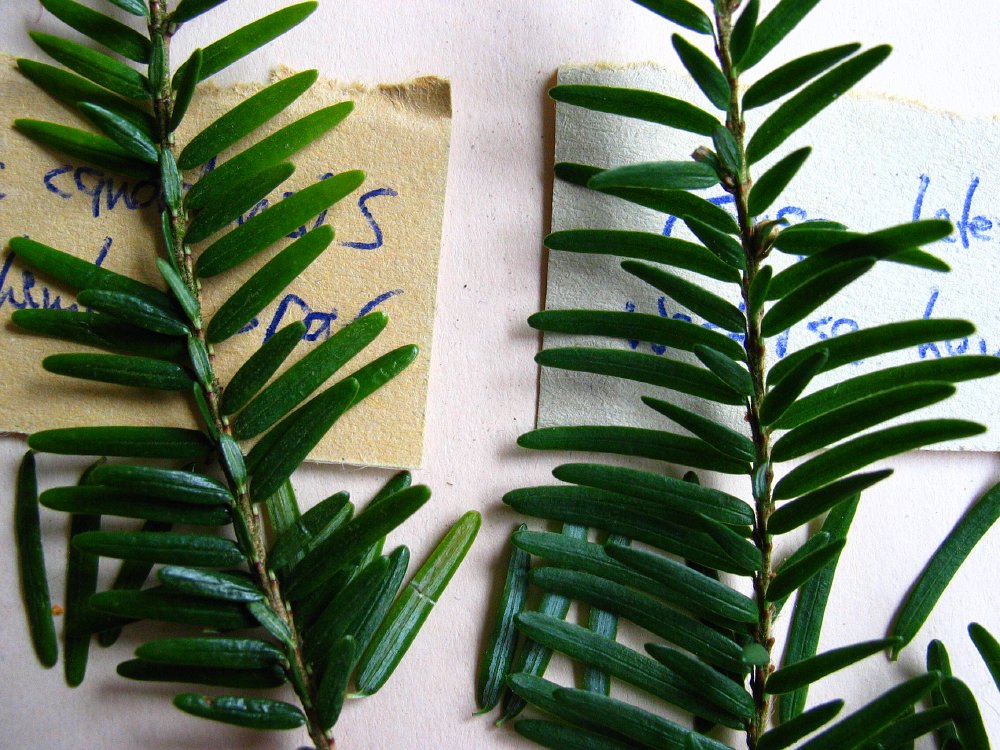
The Hemlocks And Douglas Firs Dutch Treeguide At Www Bomengids Nl

Mountain Hemlock Tree Tattoo Body Art Fiber Art Tree Shapes

Western Hemlock Images Stock Photos Vectors Shutterstock
Clusters of needles often have a star like appearance.
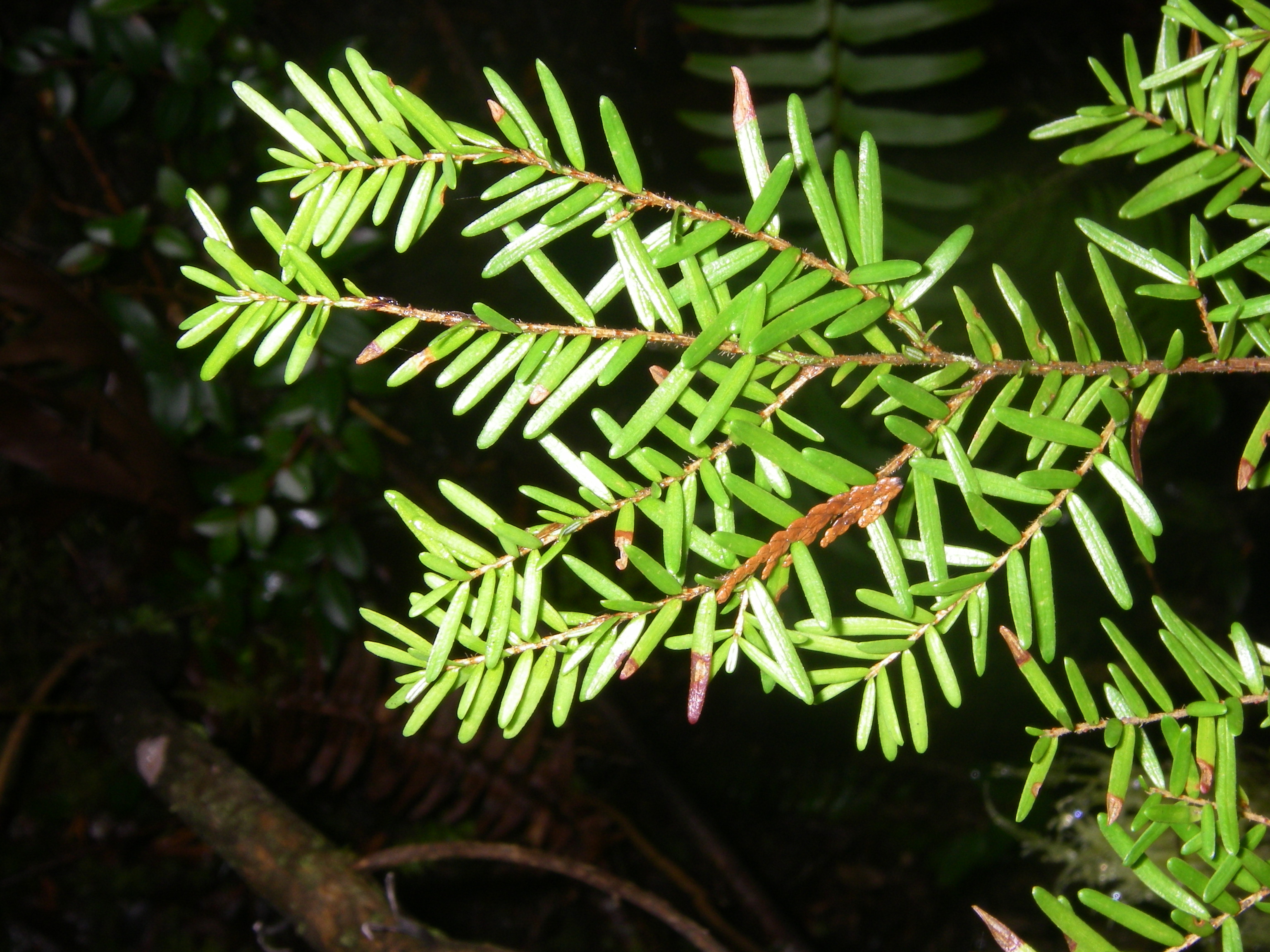
Mountain hemlock vs western hemlock. They usually start out growing slowly in the shade much faster in full sunlight when an event occurs. Cones are cylindrical and are 1 to 3 inches long. The oldest are over 1200 years old. Needles are blue green on all surfaces are similar in size and are uniformly arranged around the twig.
Mountain hemlock tsuga mertensiana click on each photo to enlarge image needles. The name tsuga comes from japanese words meaning mother and tree the species is named. Seedlings of western hemlock often begin life on the decaying wood of nurse logs or stumps in the shade of douglas firs. Between 12 and 1 long.
Hemlock trees are sometimes called hemlock spruces to differentiate them from the herbaceous poison hemlock which is in the parsley family. Intolerant to heat and drought western hemlock is an excellent source of food for elk and deer and is home to many birds and small animals as well. Tsuga mertensiana known as mountain hemlock is a species of hemlock native to the west coast of north america with its northwestern limit on the kenai peninsula alaska and its southeastern limit in northern tulare county california. Western hemlock typically grows 150 195 feet 45 60m.
The tallest western hemlock is over 240 feet 73m tall. Needles are all very short. Mertensiana refers to karl heinrich mertens 17961830 a german botanist who collected the first specimens as a member of a russian expedition in 1826 1829. Star like appearance on short shoots.
Green to blue green in color.
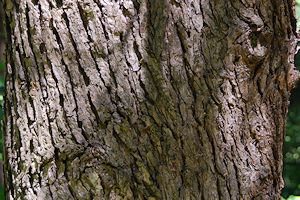
Mountain Hemlock

Free Photo Western Hemlock Bonsai Aesthetics Mature Miniature

Western Hemlock Mini Grow Kit Sequoiatrees Com

Mountain Hemlock
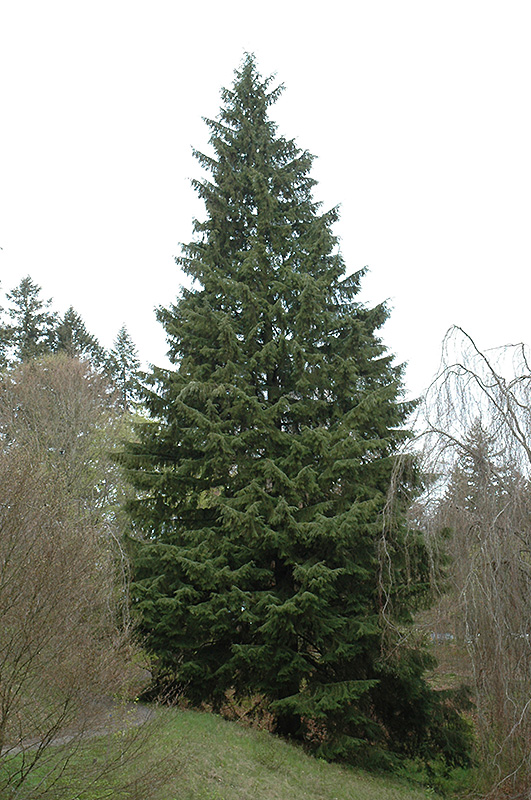
Western Hemlock Tsuga Heterophylla In Issaquah Seattle Bellevue
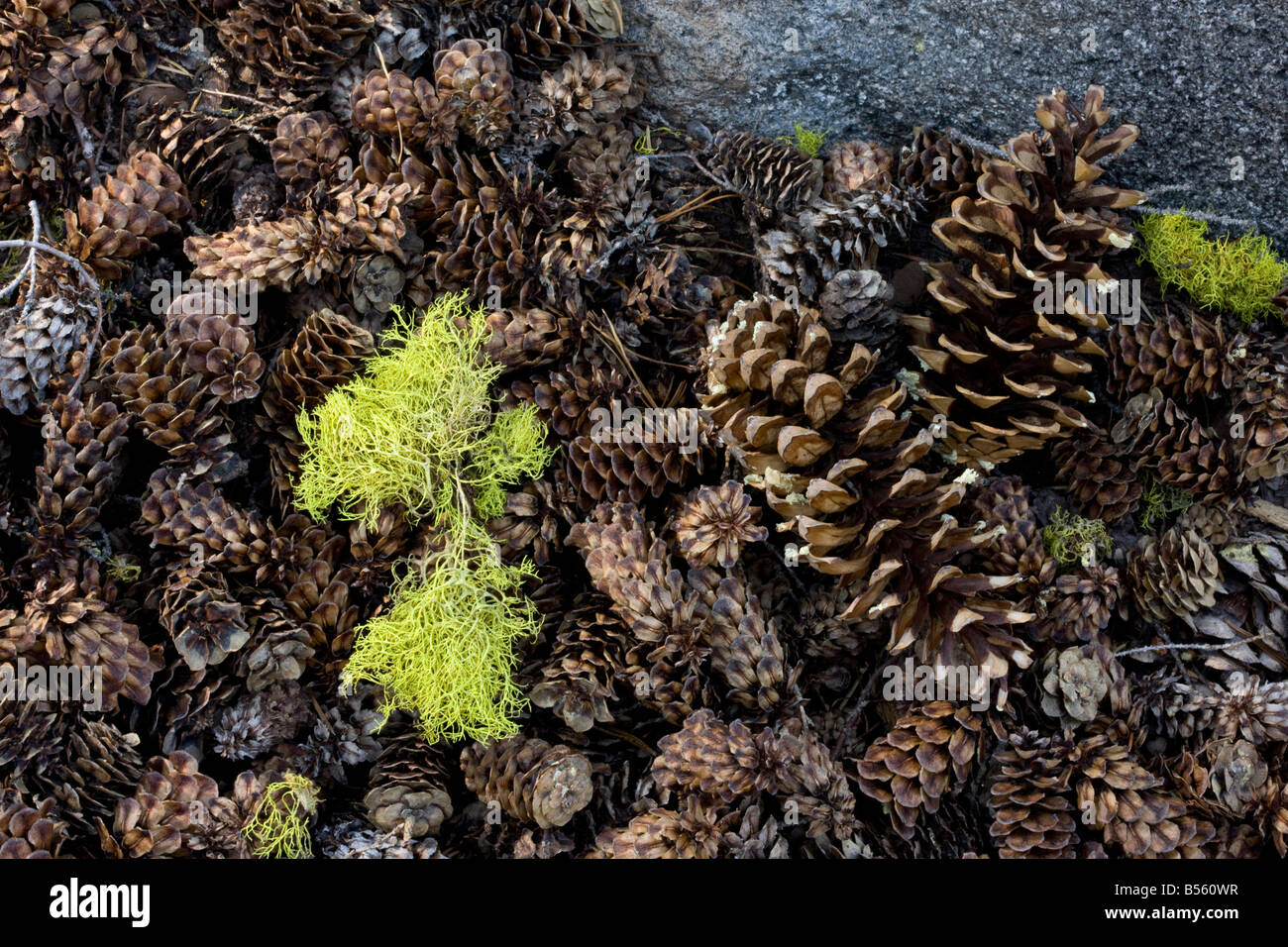
Fallen Mountain Hemlock And Western White Pine Cones With Wolf
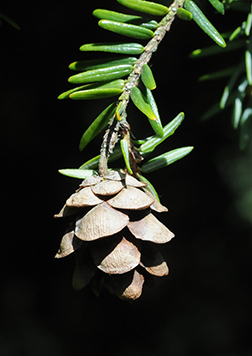
Virginia Tech Dendrology Fact Sheet

Hemlock Is A Beautiful Tree
Western Hemlock Tsuga Heterophylla Native Plants Pnw
