How To Use Sanding Sealer Before Staining
/how-to-refurbish-a-table-top-2879016-12-b3cee1b547fa488a9b71f2862a5c4b6e.jpg)
How To Refurbish Or Repaint A Table Top
Minwax Sanding Sealer Professional Formula Minwax

Sanding Sealer Sealer For Open Grain Timber
Finishing applying a sanding sealer to your raw project is a great way to seal the surface and allow your final topcoats to lay on the wood much smoother and with finer luster.

How to use sanding sealer before staining. Dry rags or brushes arent the most effective tools for removing dust. Instead use a tack cloth a sticky piece of cheesecloth made especially for this purpose. A sanding sealer can be used on bare unstained floors doors furniture and cabinets prior to applying either an oil based or a water based clear finish. Always after sanding sealer is usually some form of lacquer or shellac that actually seals the wood and raises the grain preventing the stain from penetrating the wood.
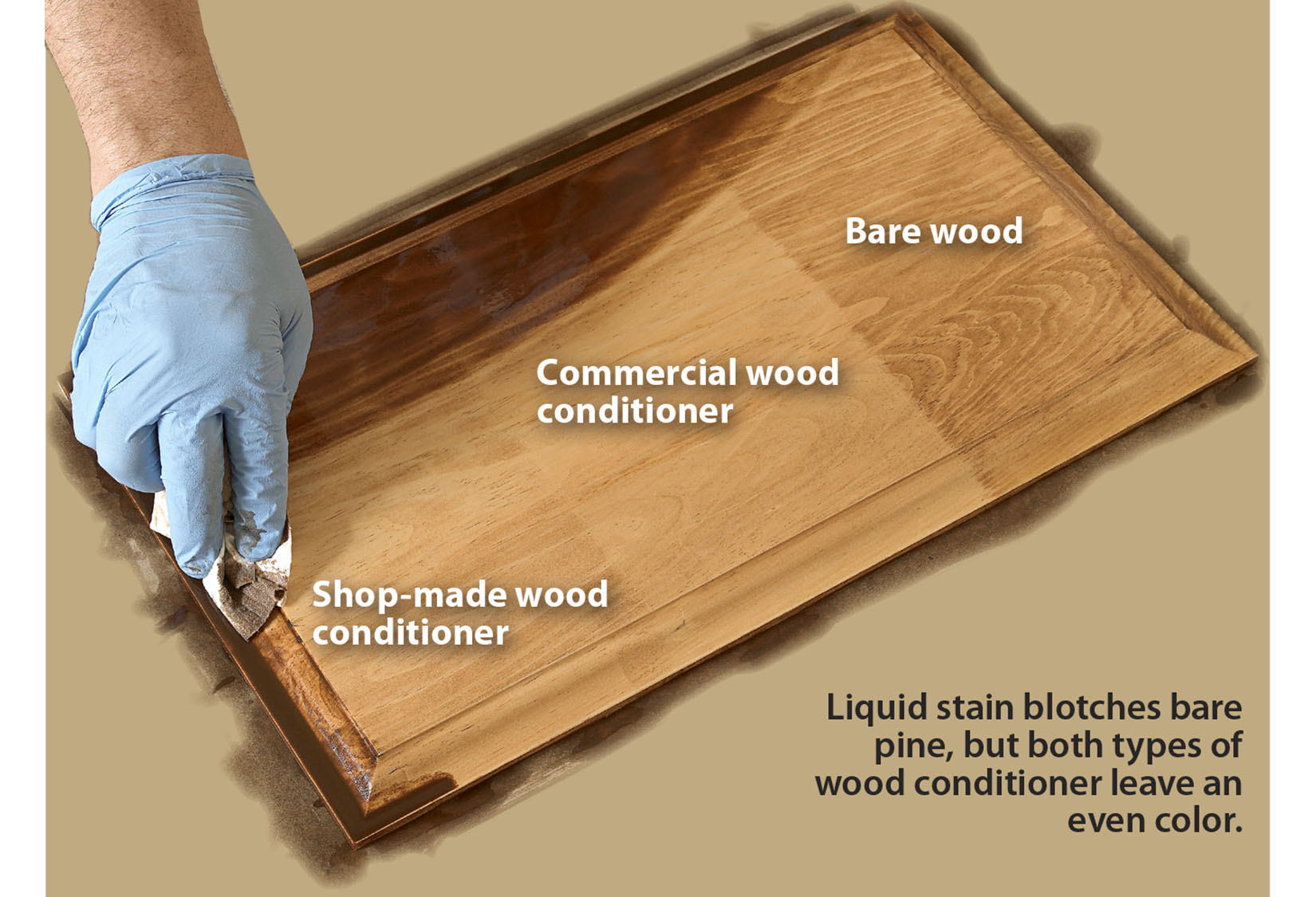
A word of warning is in order. Truth is any film forming finish works as a sealer because it closes off the pores of the wood and lays a base for the topcoats. Woods like cherry pine and birch can become blotchy and unattractive when stained unless you use a sealer before staining. For the best results test the possible finishes on scrap pieces before you start.
So most of the time you can seal wood using the same finish youll use for additional coats. Apply stain the. If you put a hard brittle finish like lacquer over a thick soft one like sanding sealer it is much more likely to chip and crack. Wipe the folded tack cloth across the wood to remove dust.
Some types of wood like pine cherry birch and maple are notoriously difficult to stain. That will leave you with a smeary stained surface. Were using a wipe on oil finish as the sealerthe key is to apply a thin base coat to partially seal the wood before wood stainingsanding sealers dewaxed shellac and wipe on finishes will all do the trick. Just make sure the sealer and stain youre using are compatible.
The stearates make sanding sealer rather soft. For that reason if you use sanding sealer stick to one or two coats at the most and plan to sand most of it back off. If you use a sanding sealer before you stain then there isnt any wood fibers for the stain to absorb into. Wood dust from sanding will cause problems if its not removed from the surface before staining.

Sanding Sealer To Use Or Not To Use When Why How Youtube
Dark Walnut Stain On Pine

Why Do You Need To Sand After You Stain Wood Quora

How To Stain Pine 15 Steps With Pictures Wikihow

China Maydos Wood Furniture Paint Clear Sanding Sealer China Pu

4 Ways To Seal Wood Wikihow
Avoid Or Fix Blotchy Stain
How To Finish Plywood Theplywood Com
How To Stain Wood Evenly Without Getting Blotches And Dark Spots
