How To Remove Sanding Dust
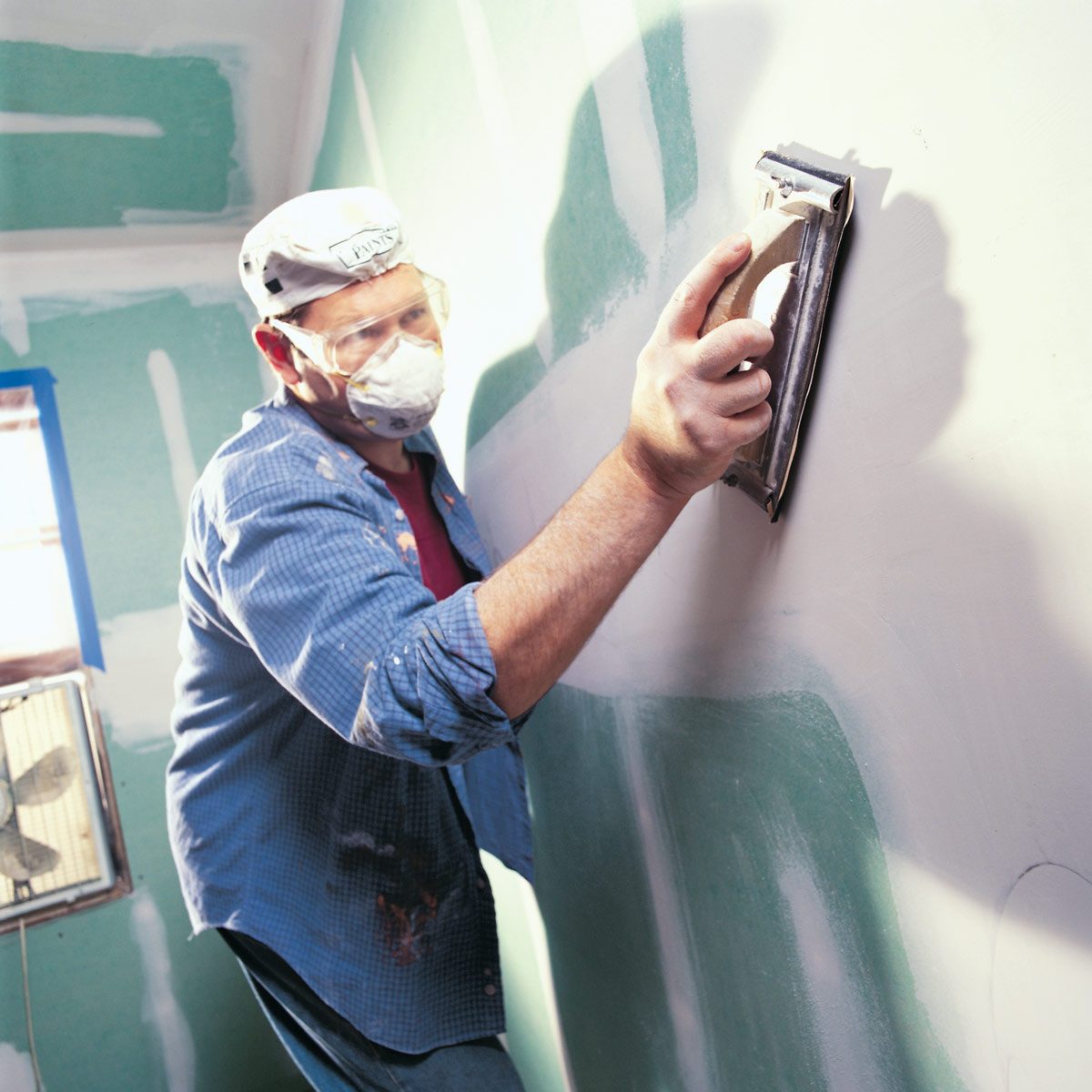
How To Sand Drywall
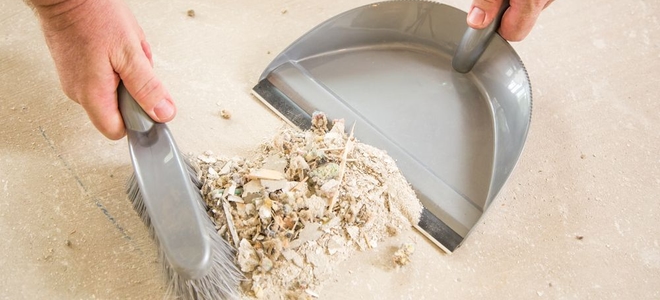
Dust Free Drywall Sanding A How To Guide Doityourself Com
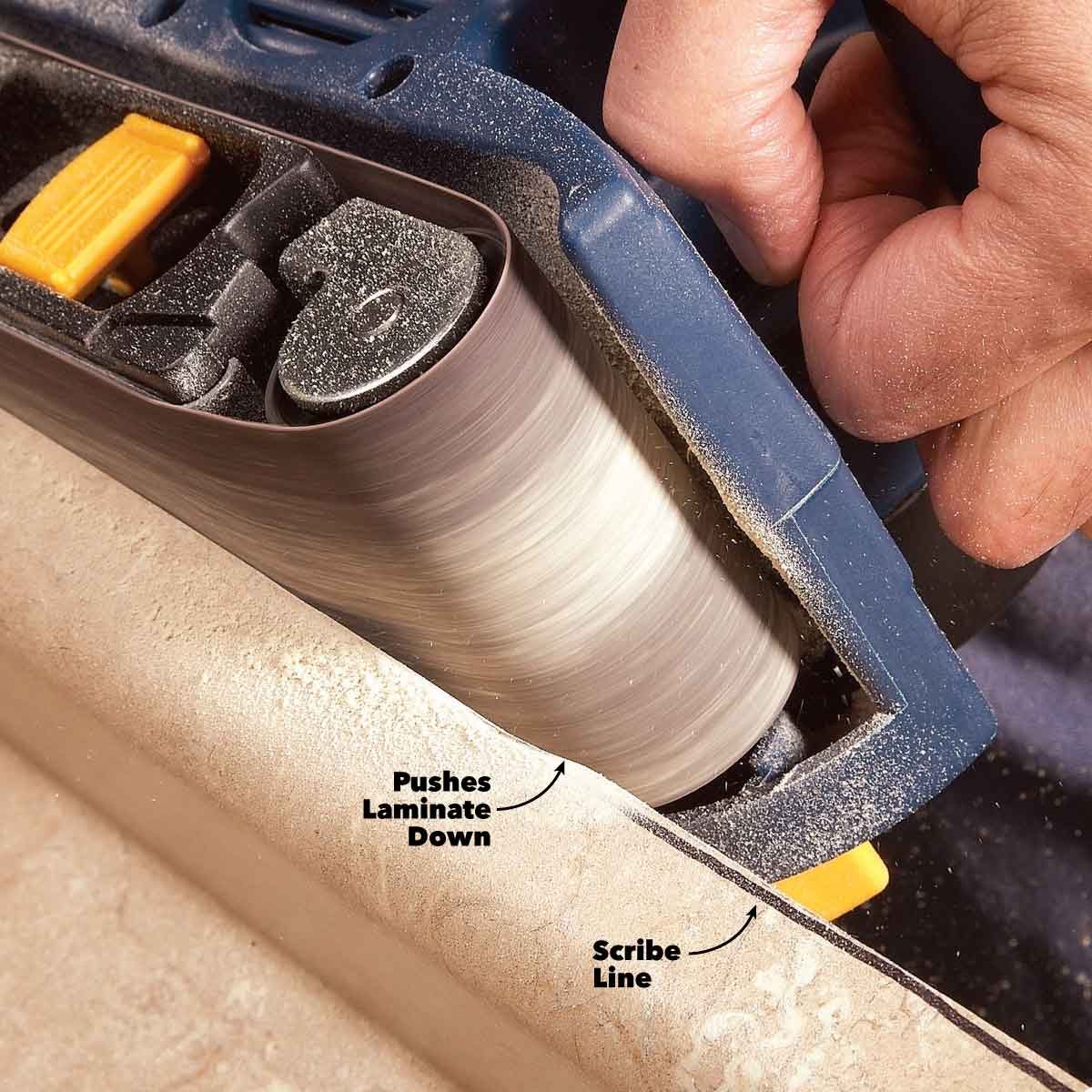
Belt Sanders Guide What They Are And How To Use Family Handyman
To get a long lasting beautiful finish from your paint or varnish and to avoid flaking and chipping you will need to prepare your bare wood properly.

How to remove sanding dust. Recommend an intial pass with a shop vac which will capture probably 95 of the dust. The dust isnt poisonous but it does create a respiratory hazard so letting it circulate throughout the house isnt an optionyou dont want to wet it down though because it turns into a goopy mess that settles into every crack and crevice in the room. Wood dust from sanding will cause problems if its not removed from the surface before staining. Dust covers floors furniture and walls and makes the new construction area along with existing structures look dirty.
Question what is the best method for removing the sanding dust between coats of sw cv tack cloths rubbing with naphtha or just blowing it off. In this video we look at the steps required to remove dust specs that may end up in the clear coat by sanding and polishing. Every drywall installation and repair job brings with it clouds of fine dust a product of sanding the drywall after taping and finishing. Unless all traces of sawdust and sanding dust are first removed any finish you applywhether it is a coat of paint or stain plus topcoatis doomed to be imperfectalthough the finest dusts are virtually invisible to the eye if they are left on wood surfaces when you apply paint stain or varnish the surface will turn out muddy in color and rough to the touch.
Instead use a tack cloth a sticky piece of cheesecloth made especially for this purpose. It is important to note that sander dust from large sanding jobs can collect in home air and furnace filters. Cutting and sanding construction materials including drywall tile masonry or wood leaves dust particles floating in the air that settle on most surfaces in the house. Watch this ultimate video guide and tutorial.
Removing sanding dust finishers describe how they remove dust when sanding between varnish coats. Whether hand sanding or machine sanding this dust can be difficult to clean. It is good to use a shop vac to clean the surface between sanding grits removing the larger grit particles from the wood before sanding with the next higher grit.
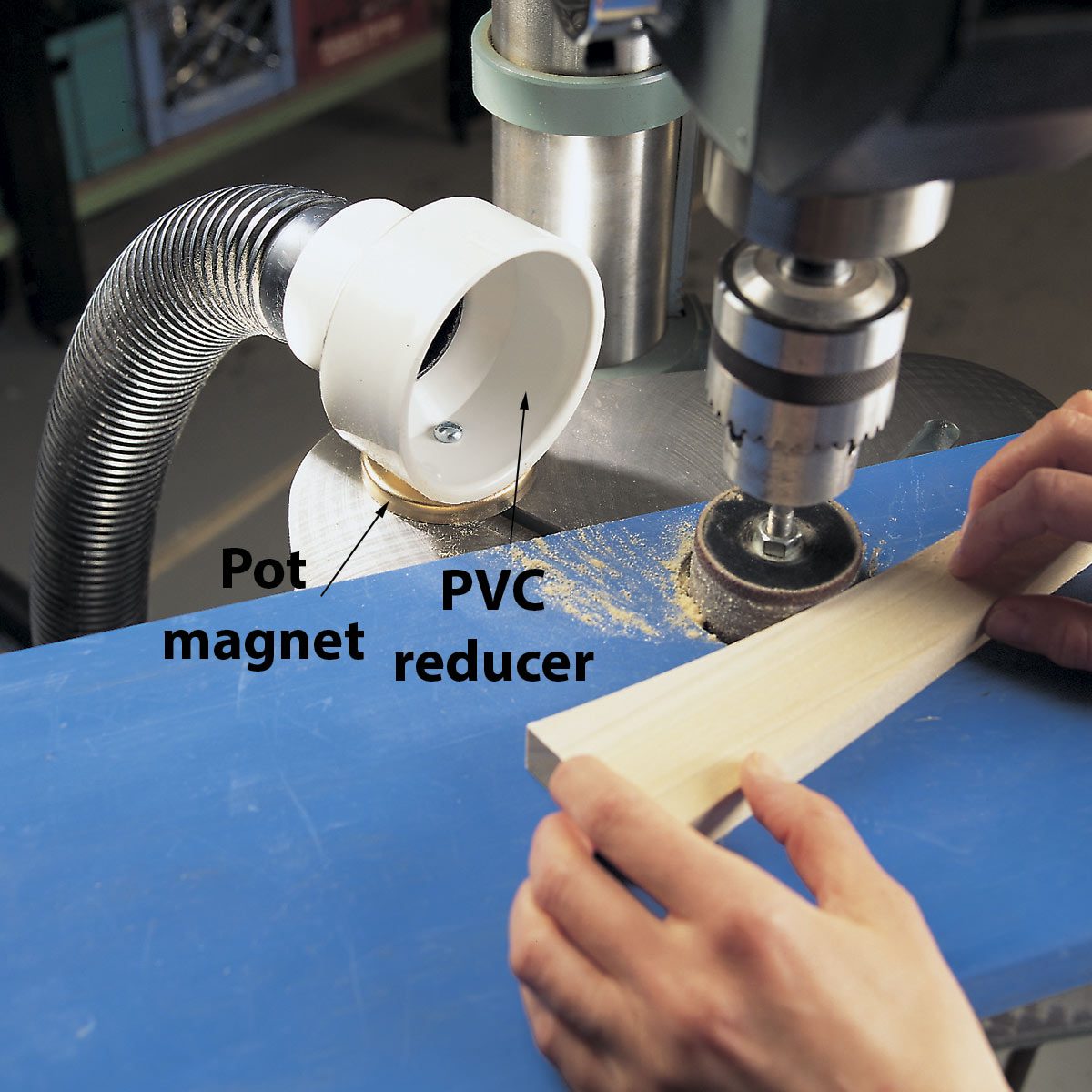
41 Genius Sanding Tips You Need To Know The Family Handyman

Sanding And Preparing Wood Before Staining Diy
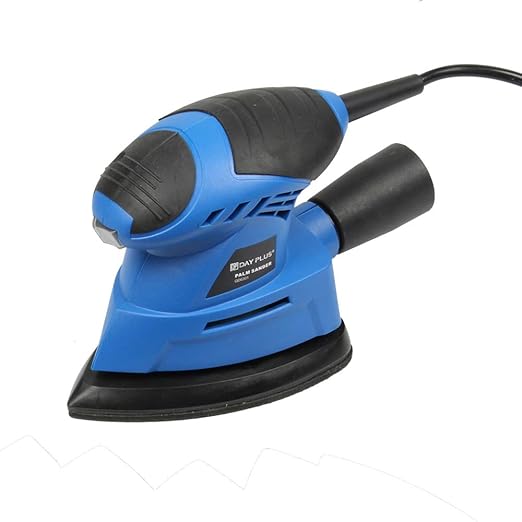
Diy Detail Sander 130w Multi Sander With 360 Rotating Sanding

Monja Nail Cleaning Brush Sponge Block Buffing Sanding Remove Dust
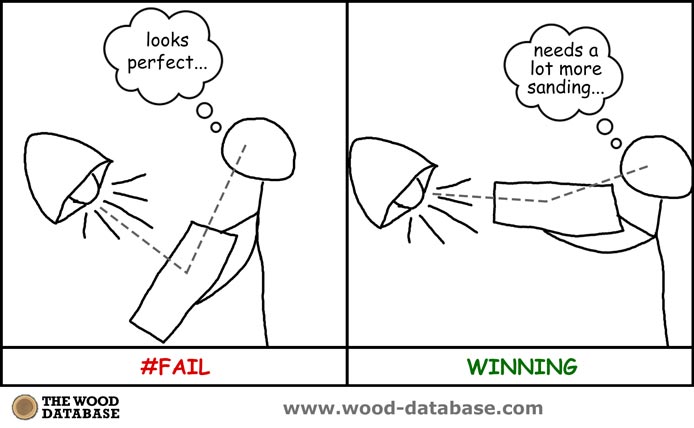
Four Common Finishing Mistakes And How To Avoid Them The Wood

Belt Sander Dust Collector Youtube
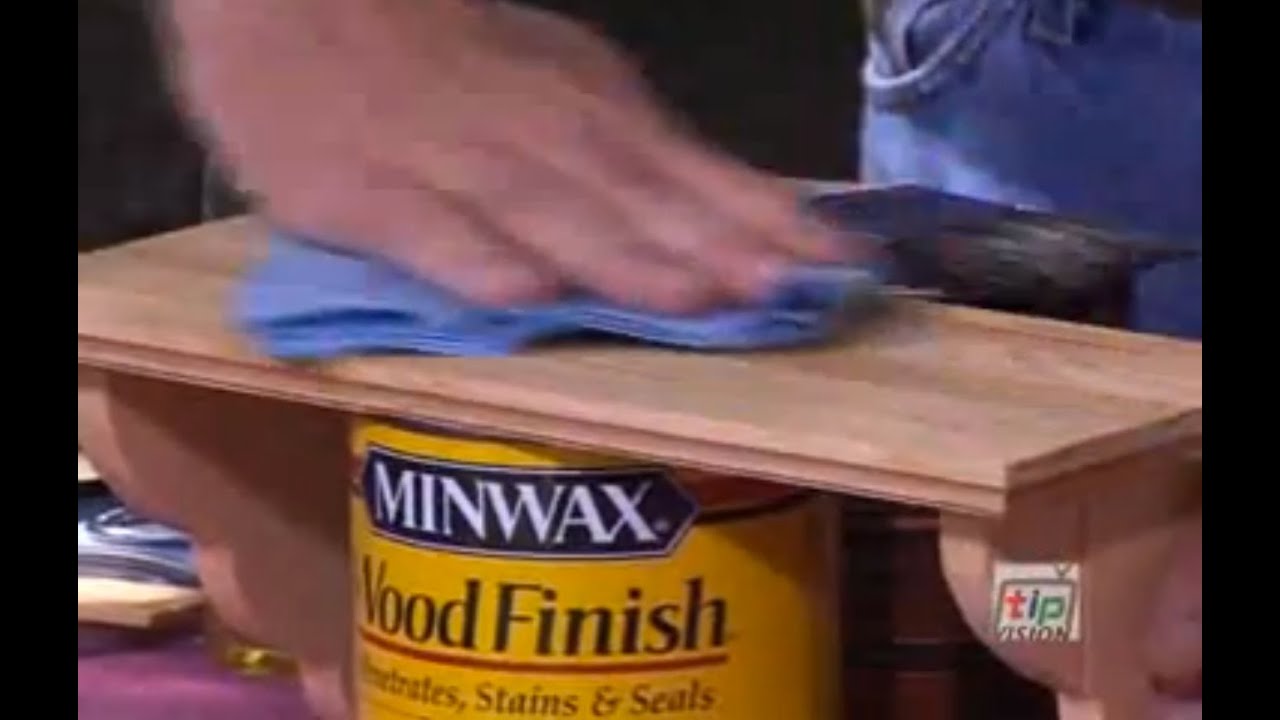
How To Get Rid Of Dust And Bubbles In Wood Finish Youtube

Tack Cloth What Is It And Why Do I Need It Builddirectlearning

Woodworking Tips Sanding Dust Collection Quality Of Work Youtube
