Drawer Lock Joint Bit

Mlcs Joint Maker 3 Piece Router Bit Set

Drawer Lock Router Bits Cmt Orange Tools
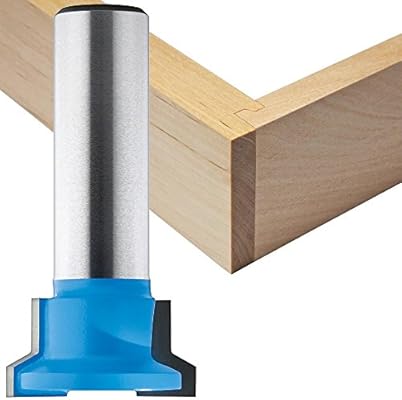
Drawer Corner Lock Bit Edge Treatment And Grooving Router Bits
First cut the drawer side joint.

Drawer lock joint bit. There are many ways to make a drawer. With a little practice you can overcome the fussy set up the bit requires. Then set the bit height so that the end notch on the drawer side about 18 for bit 7851 is the same as the end notch on the bit. For drawer lock router bits 5552 7852 and the katana drawer lock router bit 18850 the end notch on the side is roughly 316.
When making a box type drawer use the same thickness. The grooves used to make up the locking rabbet drawer joint are 14 deep. A single bit routs both parts of the joint and is capable of routing joints for drawers with applied drawer fronts and for drawer boxes where the finished front is integrated. Im in the middle of building a nightstand.
As part of that i needed to make several drawers. A single bit routs both parts of the joint and is capable of routing joints for drawers with applied drawer fronts and for drawer boxes where the finished front is integrated. And the joint is not only functional but attractive as well. The front and back pieces are the captive pieces locked into the sides.
Drawer lock joints made using a drawer lock router bit are a great way to put drawers together. For this project i chose to make my drawers using a small dra. Our drawer lock bit routs a joint similar to a locking rabbet but the rabbet is wedge shaped so the parts fit tighter when clamped. Once the setup is right the joint can be cut very fast and the mechanical interlock the joint provides makes it very strong.
With 12 drawer material you simply subtract 12 from the desired drawer width. Im not about to say one way is better than another. Unlike stub tenons made on a tablesaw the wedge shaped tenons created by a drawer lock bit self align both workpieces for a perfectly mating joint. The grooves will be exposed and we want those to be hidden by the false drawer front.
The drawer lock joint.

Drawer Lock Joint Woodarchivist

Whiteside Locking Drawer Glue Joint Router Bit
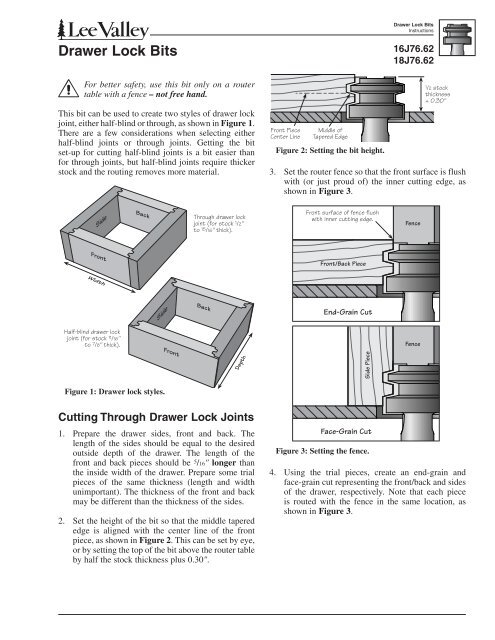
Drawer Lock Bits Lee Valley Tools
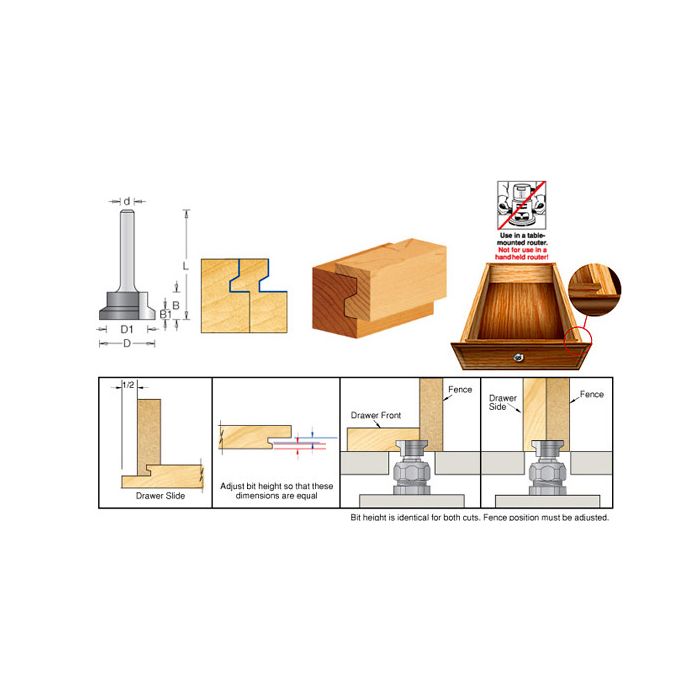
Drawer Lock Router Bits
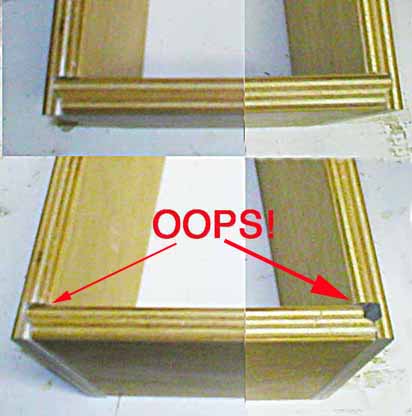
Woodworking Screw Ups 4
Lavie 3pcs 1 2 Shank Tenon Router Bits Set Drawer Molding Knife

1pc 1 4 Shank Woodworking Router Bits Cnc Joint Combination Bit

Whiteside Locking Drawer Glue Joint Router Bit 3347 Whiteside

1 2 Inch Drawer Lock Joint Router Bit Reversible Drawer Joint Bit
