Difference Between Linseed Oil And Boiled Linseed Oil
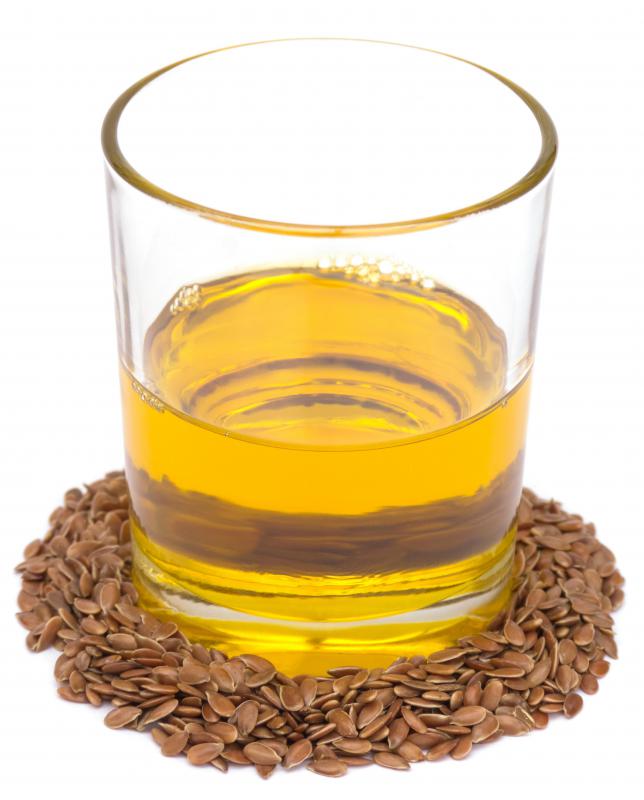
What Is Boiled Linseed Oil With Pictures

Boiled Linseed Oil

Various Linseed Oil Used In Paints And Varnishes
Raw and refined linseed oil have good brushing properties.
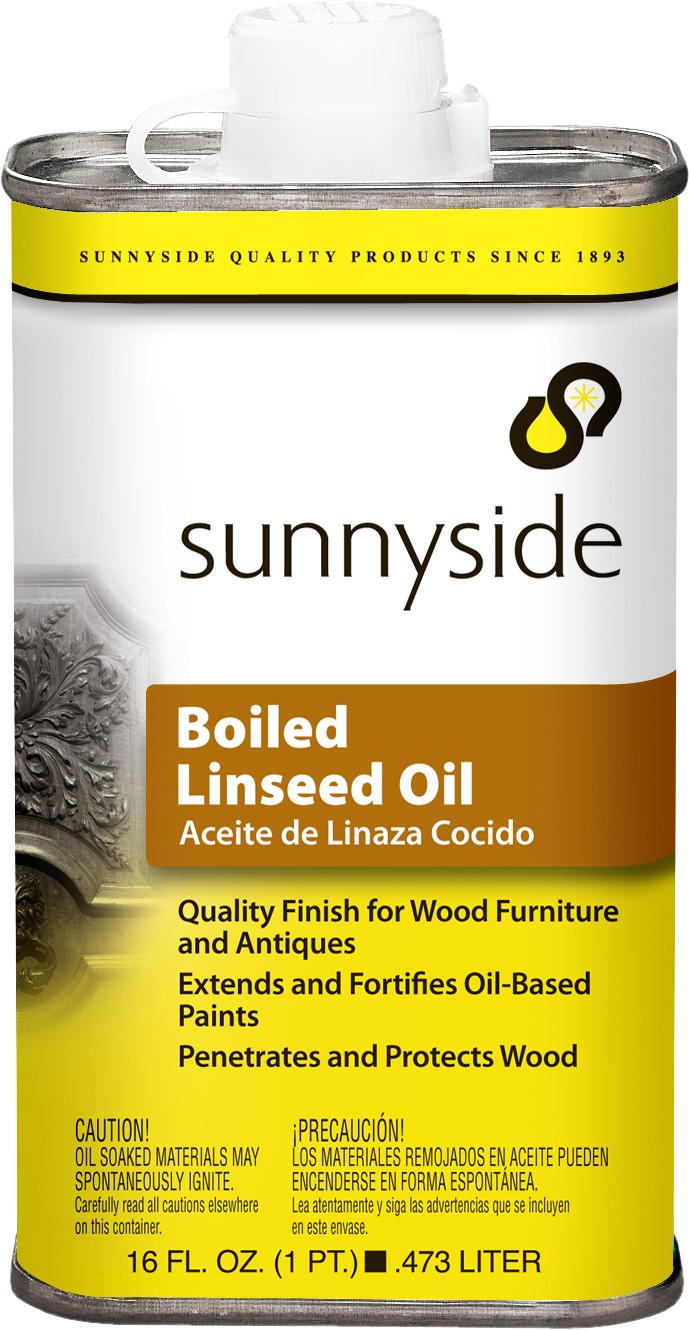
Difference between linseed oil and boiled linseed oil. Linseed oil carries a slight yellow tint whereas tung oil dries to a clear finish. Boiled linseed oil often written as blo is not as it sounds theres no heating or boiling involved unlike polymerized linseed oil. Raw linseed oil takes significantly longer to cure than pure tung oil. Linseed oil is another natural finish that is obtained from flax seeds.
The flow of such paints is poor however and it leaves brush marks. That is it turns more orange as it ages. Raw linseed oil has an acid value of 47 while alkali refined linseed oil less than one. The difference between raw linseed oil and boiled linseed oil is that there are drying agents either petroleum based or heavy metals added in order to make it a more feasible option for finishing wood furniture.
Boiled linseed oil is not boiled in the way most people think of as boiling. Like tung oil it is an effective finish because it is in liquid form when applied and then turns into solid as it dries. Linseed oil yellows more than tung oil. Here are some key differences between linseed oil and tung oil.
Raw linseed oil is known to take a long time to dry. The primary differences between linseed oil and tung oil are as follows. Also similar to tung oil linseed oil becomes soft and wrinkled when applied thickly. Raw linseed oil takes several days to dry while boiled linseed oil usually dries within 24 hours.
The main difference between raw and boiled linseed oil is that raw oil takes much longer to dry than the boiled version. Paint made of essentially raw or refined linseed oil has a short buttery consistency that lends itself to easy brushing. Boiled linseed oil goes through a process that alters the. Boiled linseed oil cures faster than tung oil overnight in a warm room when all the excess is wiped off as opposed to two or three days for tung oil.
This can be a good thing as slow drying time enables the paint to completely level and set properly.

Allback Purified Boiled Linseed Oil Sage Restoration Canada Usa
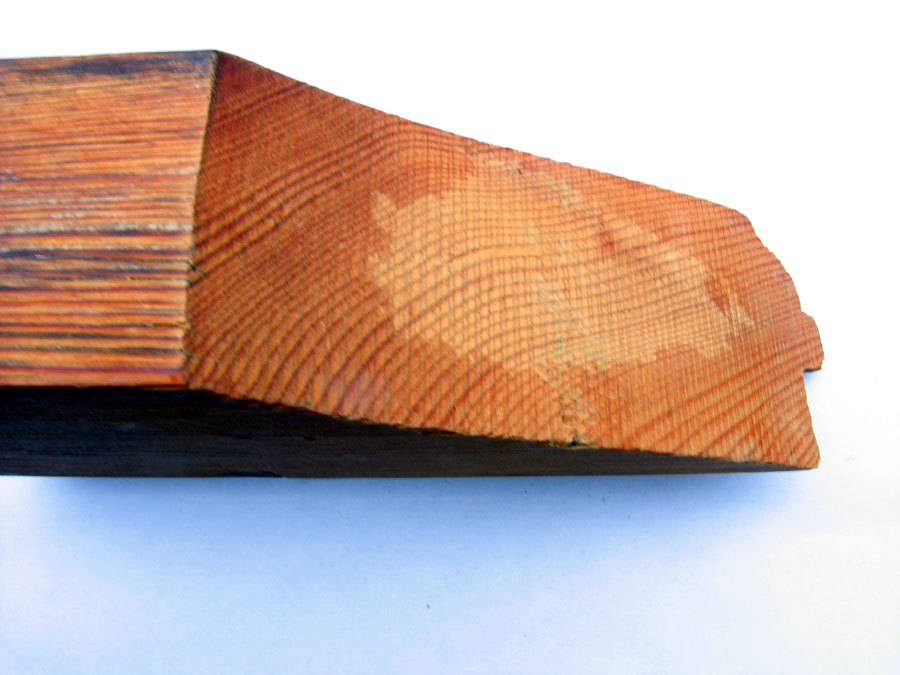
Purified Linseed Oil Boiled Raw Organic Linseed Oil
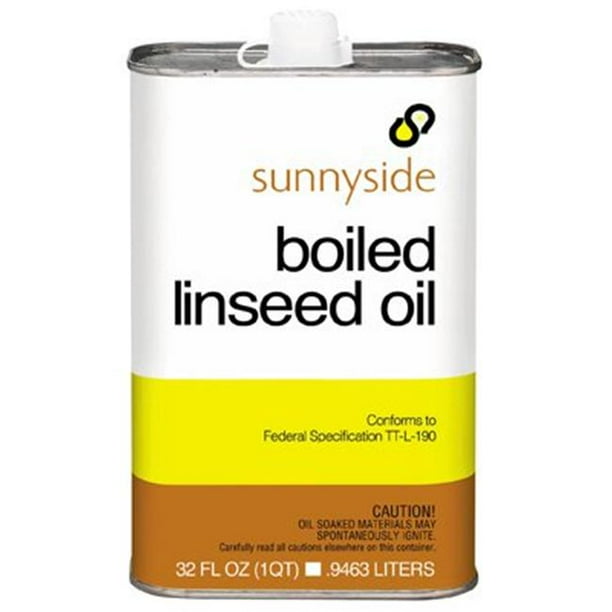
Sunnyside 87232 Boiled Linseed Oil In Metal Can Walmart Com

Allback Purified Boiled Linseed Oil Living Rooms Kingston

Both Posts Are Poplar Finished With Boiled Linseed Oil After The
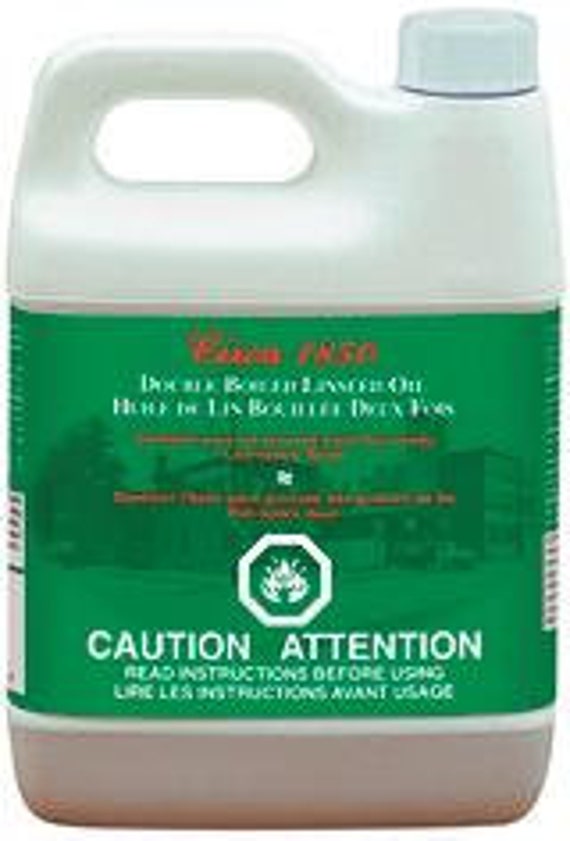
Double Boiled Linseed Oil Circa 1850 Linseed Oil Etsy

Boiled Linseed Oil 1l Ann Ta Wood

Applying Boiled Linseed Oil To The Sanded Douglas Fir Deck On The
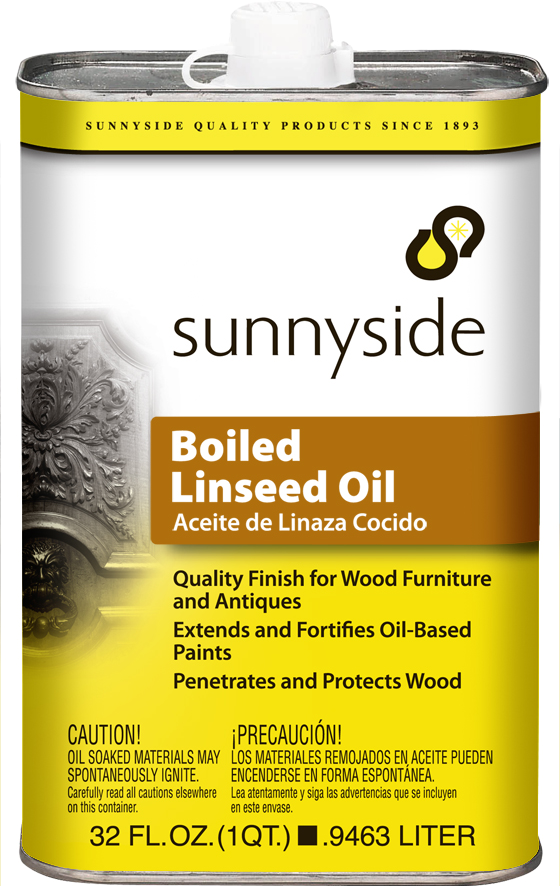
Boiled Linseed Oil
