Cutting Pressure Treated Wood Indoors

Treated Wood In Transition Less Toxic Options In Preserved And
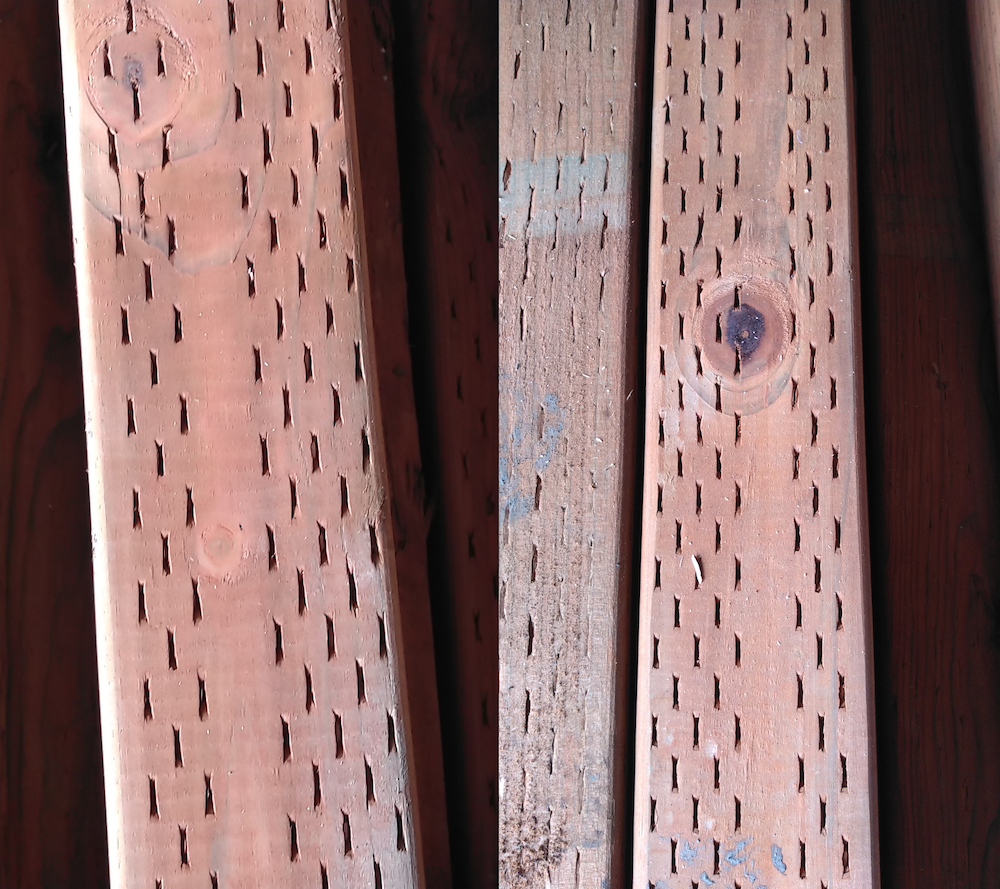
Treated Wood Fact Sheet

The Wood From The Trees The Use Of Timber In Construction
Since pressure treated wood is designed to withstand the elements such as sun wind and rain using it in a bathroom or in home sauna for example will provide an inexpensive yet durable alternative to traditional indoor wood applications.

Cutting pressure treated wood indoors. The largest issue with health associated with acq pressure treated wood is the toxicity of the wood dust. In any event keep in mind that with pressure treated wood you get more lasting quality for your money but the trade off is a bit of management when it comes to youngsters in the garden that arent stopped by the tasted. Using pressure treated lumber indoors is a subject of great debate among wood experts. The story goes that pressure treated wood once was treated with a harsh chemicals that could potentially release toxic fumesbut the government has since banned wood from being treated that way but it is always highly recommended that you read and confirm how your wood.
Wash all hands and skin immediately after working with and cutting pressure treated lumber. Some have also asked after theyve found pressure treated lumber installed inside their homes if there is any danger in having it indoors. Use special pressure treated wood sealer to seal only the freshly cut ends. If the wood has a greenish tint then it has been pressure treated with cca.
Lumber treated with cca contains arsenic and is not safe. The last resort recommended for you. Step 5 wash up. While many woodworkers strongly object to the use of pressure treated lumber inside a home there are others who say that the use of pressure treated lumber indoors is perfectly safe.
Using pressure treated wood inside your home makes sense if you live in a highly humid region and have issues with moisture. Paint the sealer onto the cut ends and allow it to dry before construction to ensure the entire board is adequately protected. Many people believe that using pressure treated wood indoors is harmful. The simple answer is pressure treated lumber can be used in any interior application except cutting boards and countertops.
When using pressure treated wood indoors check the label. Lumber treated with sodium borate sbx or micronized copper quaternary mcq is generally safe as long as you dont use it for a food surface or in a place where pets can chew it. People dont stain the bottom part so look under the deck and see if it has a greenish tint. Having been permeated in chemicals that are designed to withstand water and elements the toxic chemicals can have significant effects if large amounts are ingested or topical exposure is extreme.

Treated Wood In Transition Less Toxic Options In Preserved And

Can You Use Pressure Treated Wood Inside Quick Answer
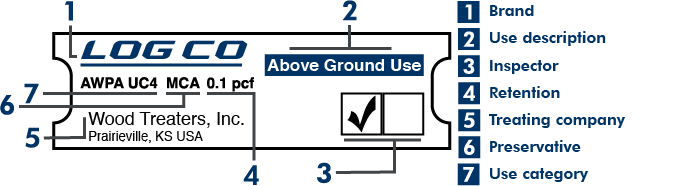
Treated Wood Fact Sheet

High Pressure Treatment Timber Preservation Technologies
/139624430-56a75c643df78cf77294fd37.jpg)
What Is Marine Grade Plywood

Cut N Seal

The Wood From The Trees The Use Of Timber In Construction
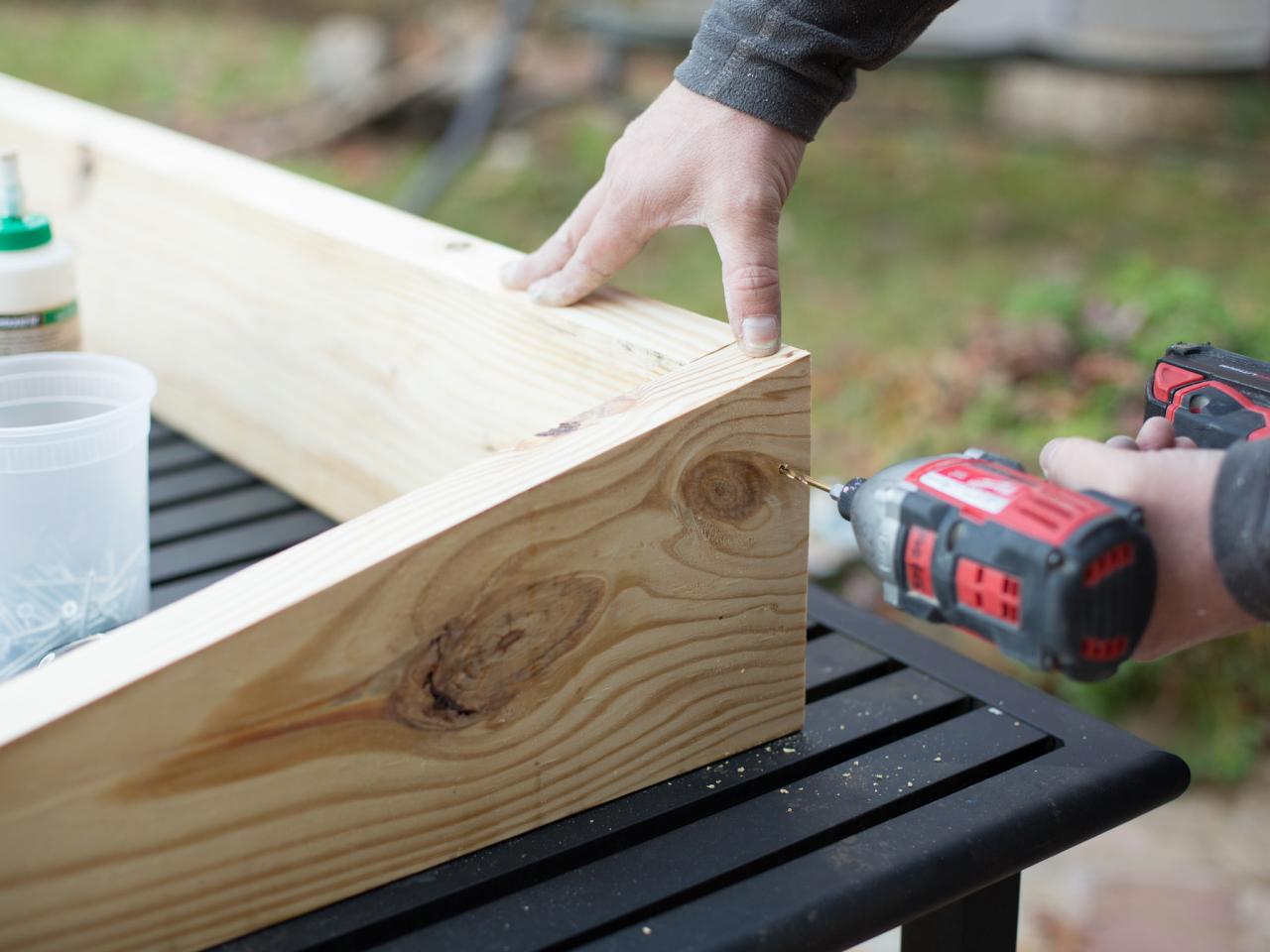
Treated Wood Vs Cedar Hgtv
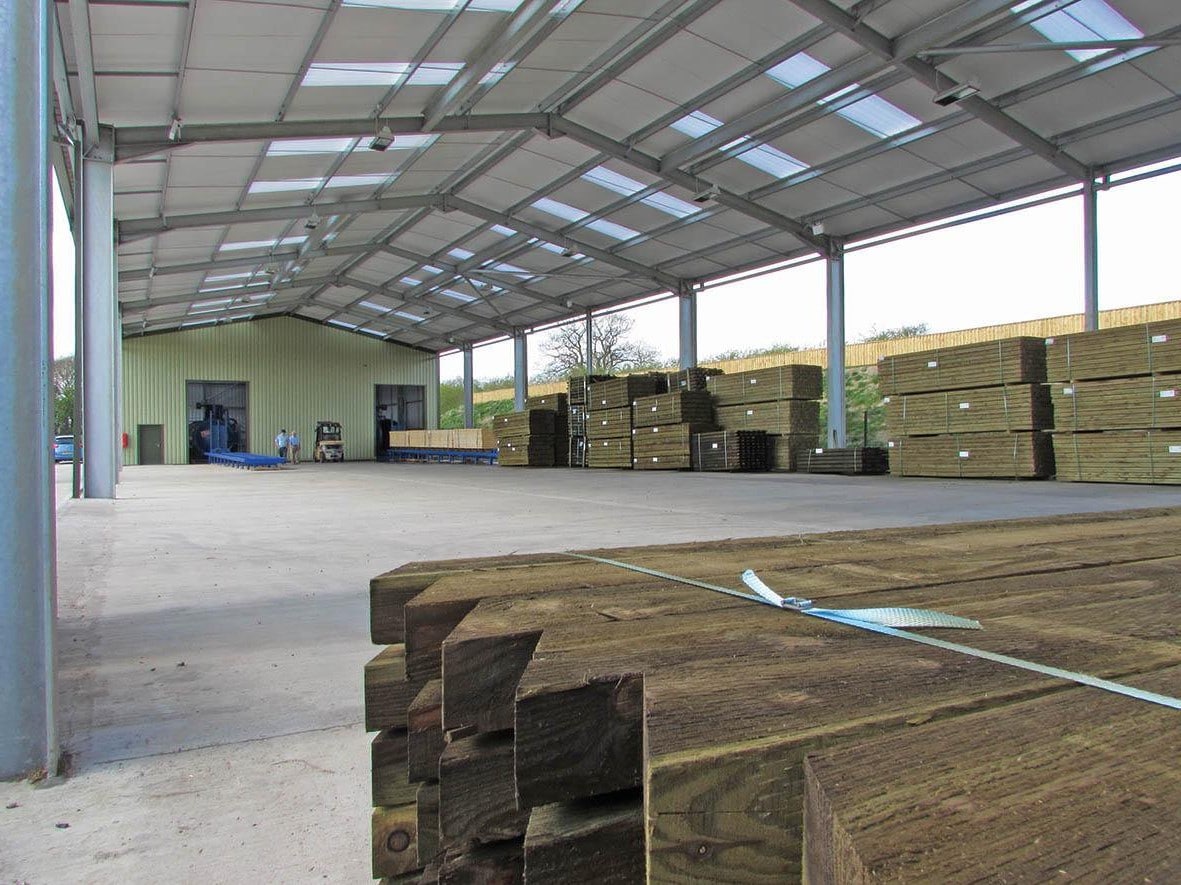
Tanalised Timber Faqs Everything You Need To Know About Pressure
