Clamping Long Pieces Of Wood
1588709735000000

Gluing Wood With Waterproof Adhesive Pieces Of Wood Pressed

Set Of 9 Pieces 9 Nylon Spring Clamp Heavy Duty Plastic Extra
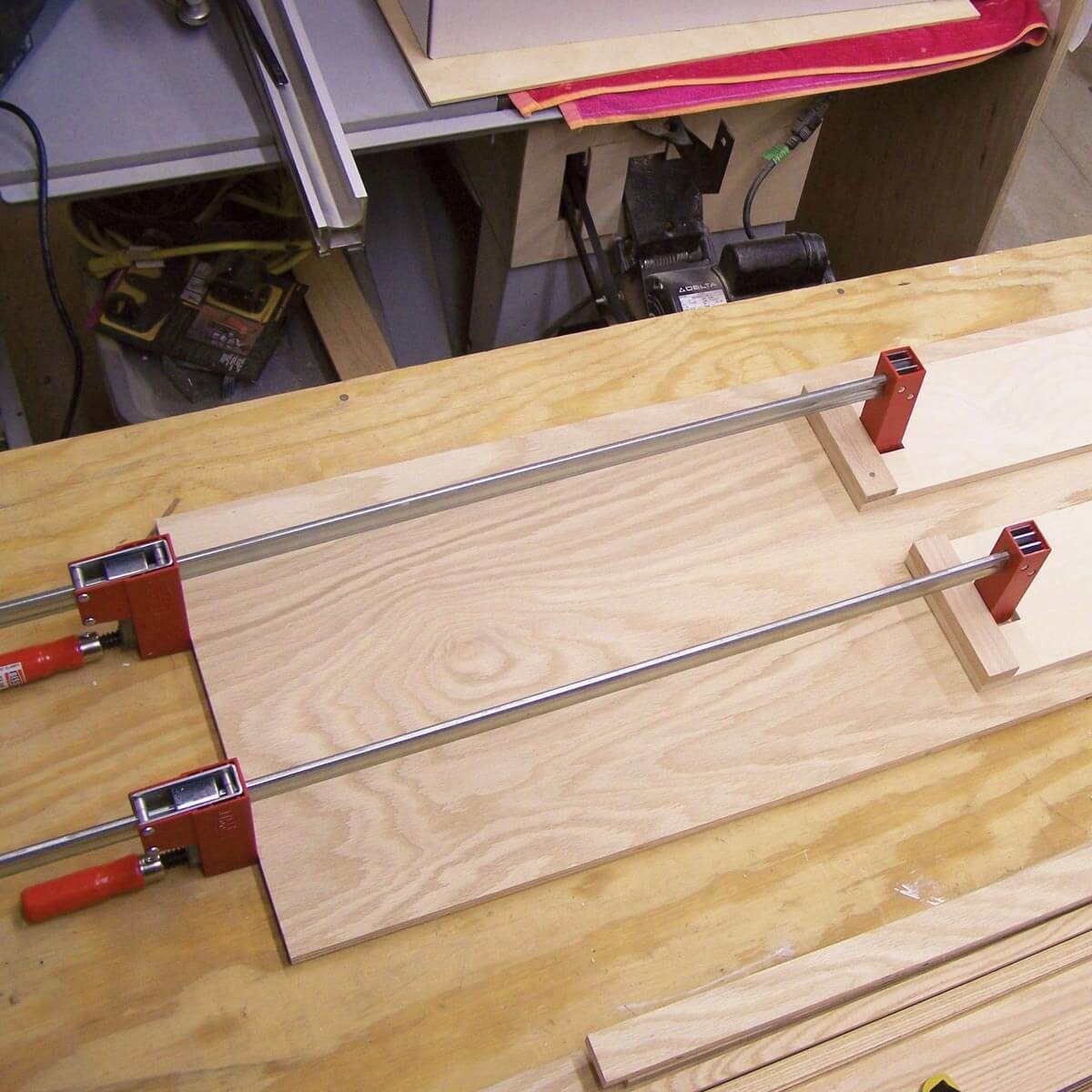
This solid wood edging on plywood for example would have required a clamp every few inches.
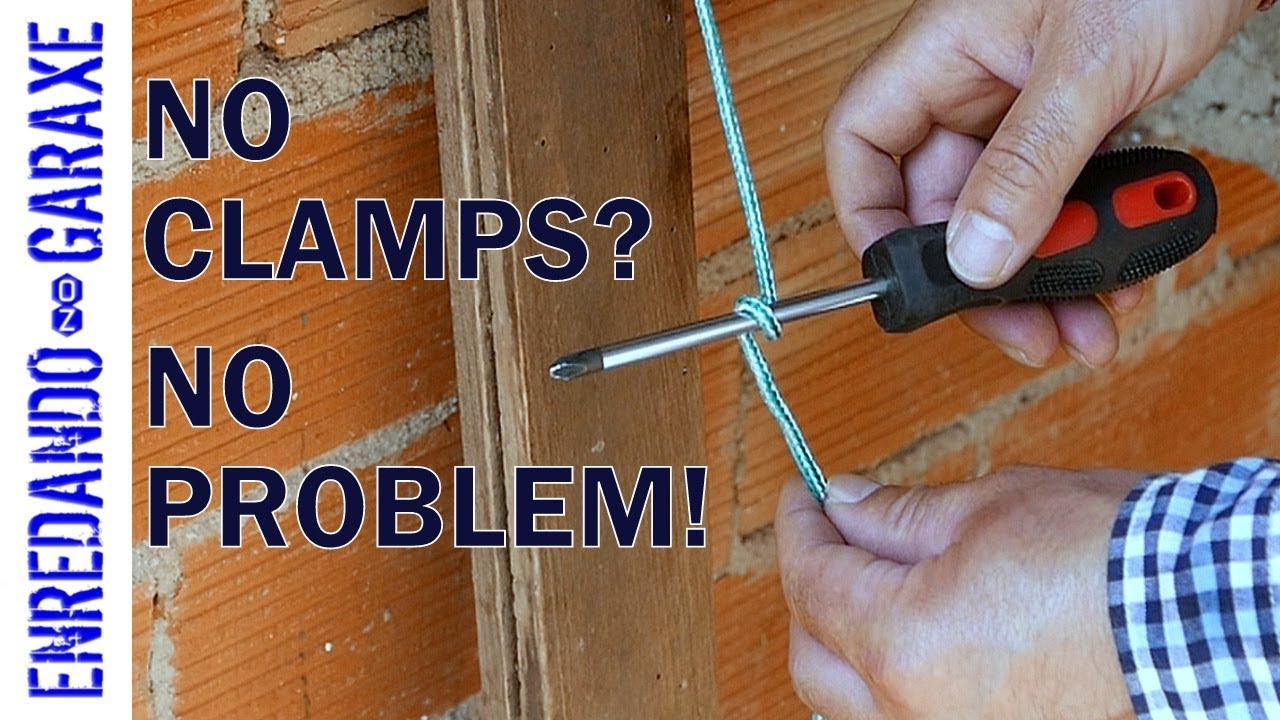
Clamping long pieces of wood. You dont always need clamps. Add clamps in the middle if no glue is squeezing out there. But with a stiff caul to spread the clamping force i was able to use fewer clamps spaced far apart. Im an amateur woodworker and have neither the storage nor the budget clamps are expensive so i make do with all sorts of weird clamping set ups.
A clamping system that will be a simple solution when we have to glue wood even in those woodworking projects where we usually use long bar clamps. Cut your workpiece a little long fit the parts then drill holes near the ends. Or you can use a caul. Iron out veneer clamping problems.
Theyll line up perfectly. With a clamp like this you can work with short pieces of wood or pipe when you have to join more pieces together than you have hands for. The base of the clamp will keep it stable as you work with smaller handheld pieces. The bessey bpc h34 includes a large span to fit thick pieces and large rubber pads at each end to protect the wood.
Glue up the pieces and screw them together. And finally you need a sheet of wood mdf or ply that is larger than the two pieces of wood you are clamping together as this forms the base of the clamp or the wedge clamp board. How to make a workbench vise out of bar clamps. Fortunately modern wood glue.
The amount of time you have to leave the clamping pressure on is call the closed clamping time. Some glue makers strive to provide a product with a long open time and a short closed clamping time. The time you have between starting to put glue on the parts and getting them into clamps is called the open clamp time. Heres another inventive clamping tip.
When Building A Table Is Glue Enough To Hold The Table Top Boards
Which Kind Of Clamps Are There For Constructing Cabinets And
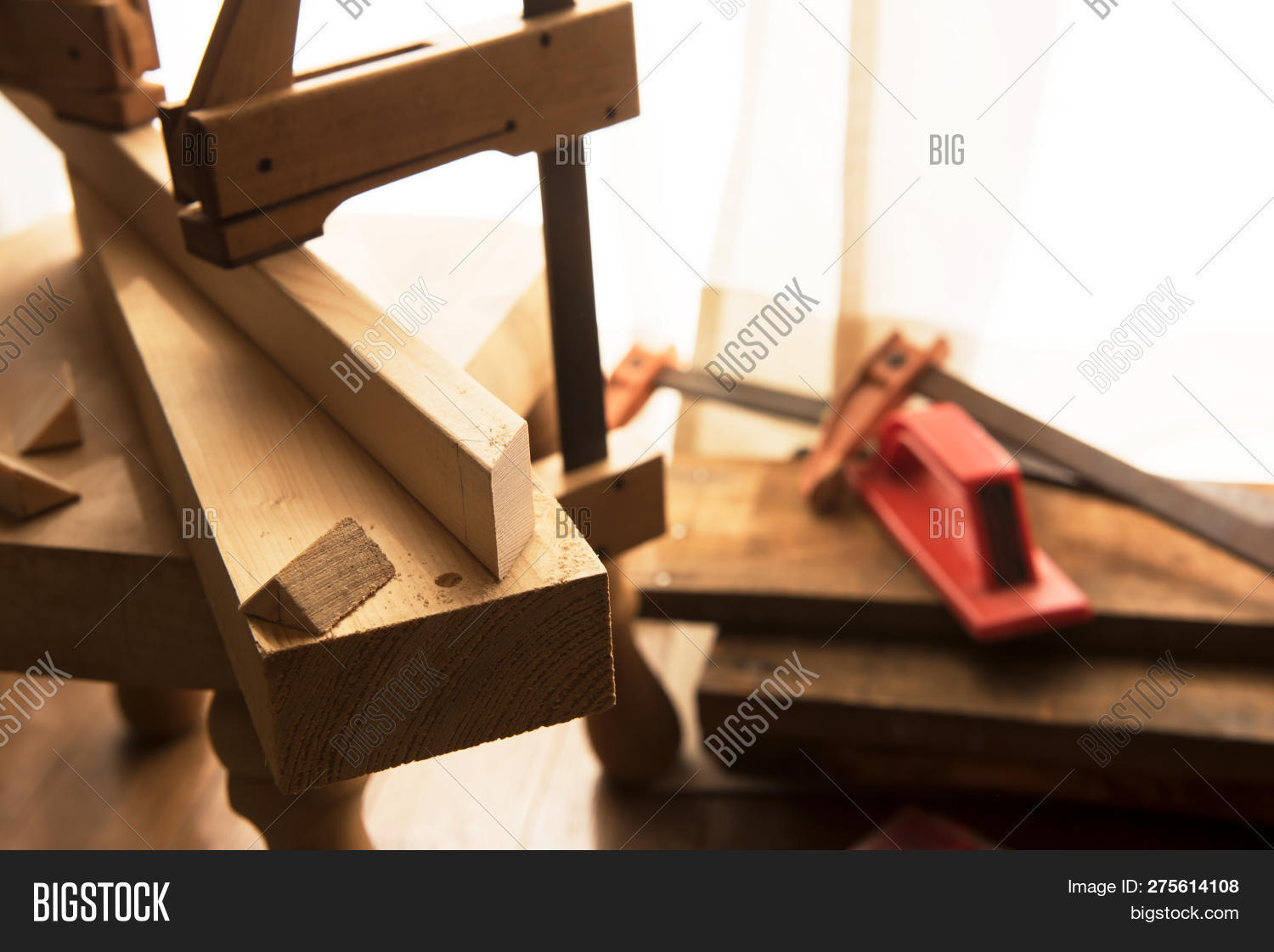
Wood Working Project Image Photo Free Trial Bigstock

June 2016 Wunderwoods
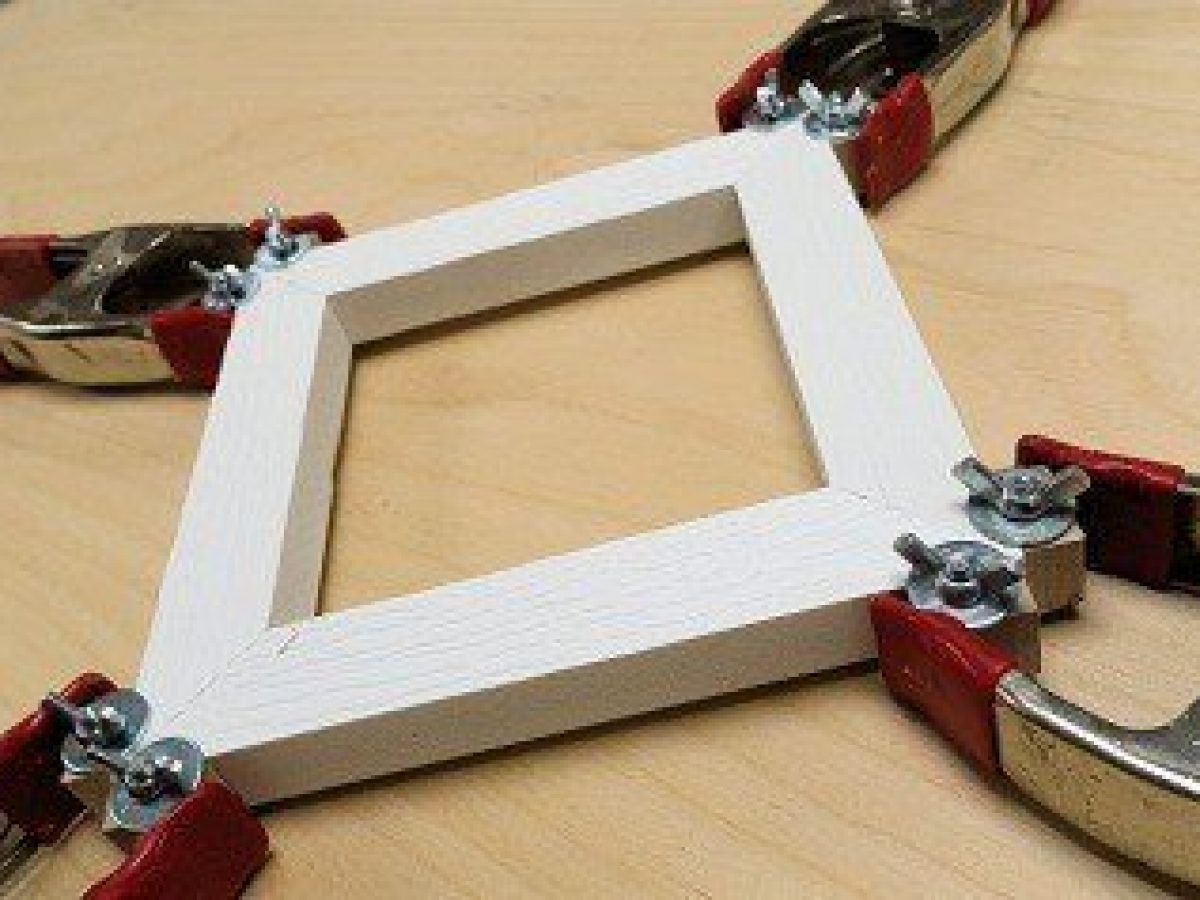
8 Popular Types Of Clamps For Woodworking

Wooden Bar Clamp 10 Steps With Pictures Instructables
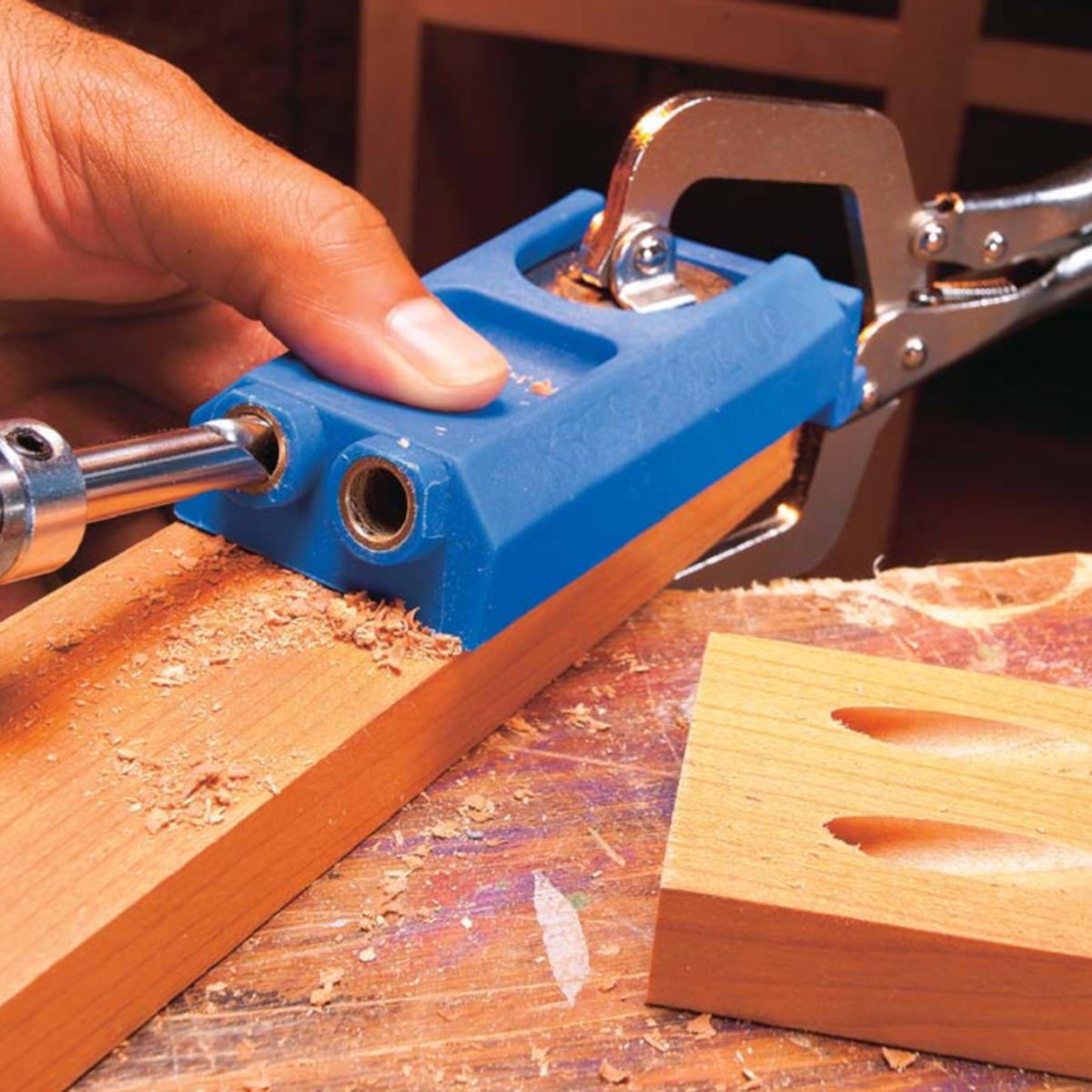
Learn How To Use Pocket Screws Family Handyman

Better Than A Workbench The Clamping Box 4 Steps With
28 Secret Clamping Tricks From Woodworkers The Family Handyman
