Car Siding Vs Shiplap

Farmhouse Built Ins And The Difference Between Shiplap And Tongue

Operation New Bathroom Part Ii Home Gym Design Bathrooms

Shiplap Siding What Is It Cost Cedar Vinyl Installing It
Because of this shiplap cladding offers optimum rainwater resistance.
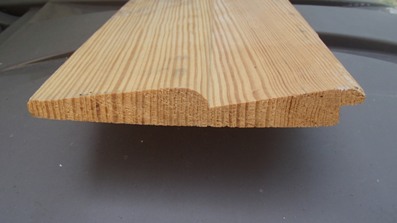
Car siding vs shiplap. The differences between tongue and groove and shiplap are both functional and aesthetic. Premium eastern white pine shiplap s1s and 34 rufferhead siding 3 piece box 1 in. It is most often 34 of an inch or 1 inch thick and between 3 inches and 10 inches wide. Generally its quite a bit cheaper than real shiplap too.
The main difference between them is a longer lip on shiplap cladding which acts as an additional layer of protection against moisture and rainfall. The difference between shiplap vs planked wood walls car siding and tongue and groove wood walls. Shiplap siding is a type of exterior or interior paneling most commonly made of wood with tight joints that are formed by the overlap of one board on top of another as you can see above. Sometimes its just flat shiplap boards and other times you can find profiles like novelty drop dolly varden or the poorly named but still attractive 117 lap siding.
Nickel gap siding is basically the modernist way to do shiplap that still has a tiny bit of a vintage appeal. The materials nickel gap comes in run the gamutwood mdf etc and you can find it in a variety of finishes or paint it as well. Tongue and groove and shiplap are siding profiles the term profile describes the unique shape that results from milling or manufacturing siding planks. For the purist shiplap is the original flat profile with a rabbet on top and bottom.
Another popular technique is to just do a simple planked wall. There are various profiles of siding available in shiplap too. Tongue and groove and shiplap cladding do look very similar once installed. Im updating this part to add third type of interior wood plank wall to this post car siding.
A detail of shiplap in sheila bonnells guest room shows the distinct gaps between the boards. Premium kiln dried square edge whitewood common board 1 in. A few helpful readers have shared information on car siding walls in the comments below and used the term car siding and tongue and groove. Tongue and groove understand the differences between these two similarand currently popularpaneling styles so you can choose whats right for your home inside and out.
Thats just slightly spaced apart strips of plywood nailed to a surface. Unlike beadboard and v groove which are connected via tongue and groove shiplap boards are joined with an overlapping rabbet joint which usually creates a 90 degree angled gap in between the boards.

Pattern Stock 1 In X 8 In X 8 Ft Cedar Stk Shiplap Siding 6

Shiplap Siding Ship Lap Siding Prices Patterns Pictures

Image Result For Shiplap Vs Car Siding With Images House

Painting Shiplap Siding Walls By Design
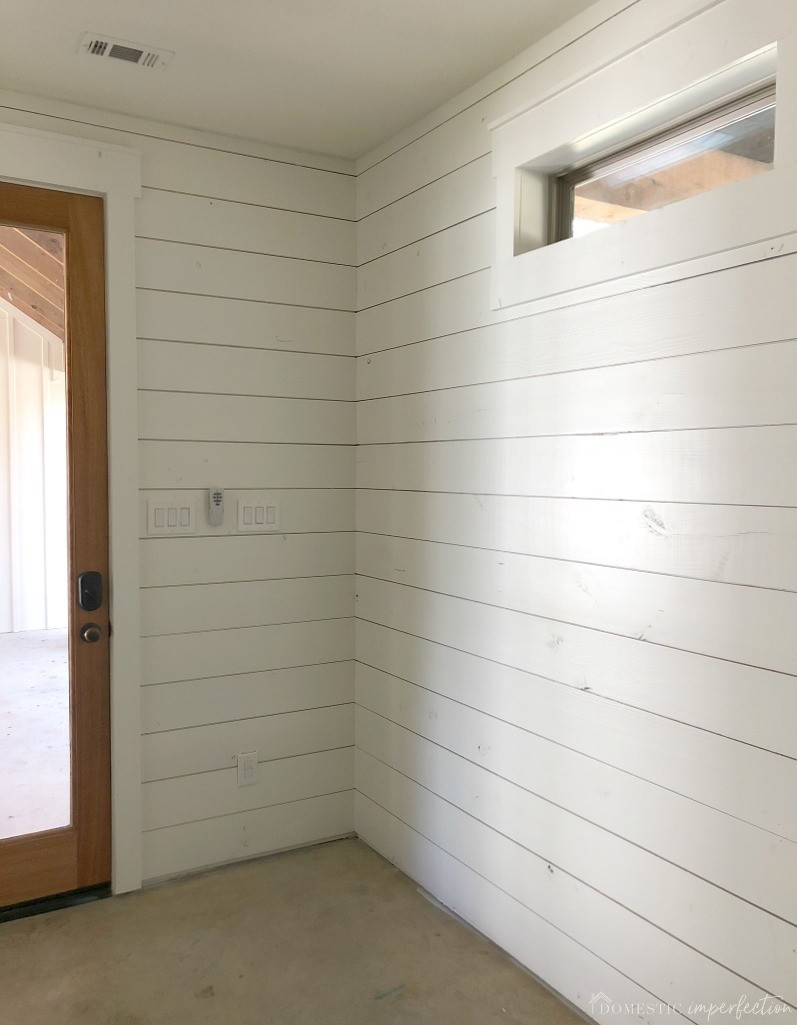
Everything I Ve Learned About Painting Shiplap Domestic Imperfection

Opinions On Shiplap Vs Tongue And Groove Flooring Insulated

1 X 8 Tongue Groove Carsiding At Menards

Car Siding Wood Pattern Stock Ufp Edge

Pine Tongue Groove 1x6 End Matched Carsiding Shiplap 46 Ln
