Black Walnut Wood Toxicity

High Quality Non Toxic Wood Repair Pens

The Black Walnut Tree Beauty Strength Toxicity Community
Wood Allergies And Toxicity The Wood Database
What is black walnut toxicity.

Black walnut wood toxicity. The black walnut tree is known for the beautiful quality wood it produces and the tree is grown and harvested for its premium hardwood. While many plants grow well in proximity to black walnut there are certain plant species. Juglone from decomposing black walnut roots can persist in the soil for more than a year after walnut trees have been removed. Black walnut toxicity michael n.
Im sawing up some walnut slabs for a wood turner and he asked if there were any problems with toxicity of the walnut if they were made into salad bowls ie are they safe for holding consumable foods. Aggressive treatment is required with black walnut poisoning in dogs. Juglone the poison from black walnuts. The black walnut tree is native in many areas of north america and also produces an edible nut.
I told him to use a food safe finish for sure. Wood toxicity and allergen chart below youll find a chart of various wood species along with their reported effects and properties. There is also a distinctive pungent walnut odor from the cut root. The information on this chart has been compiled from many sources with references given at the bottom.
Usually most common reactions simply include eye and skin irritation. Black walnut trees juglans nigra produce a toxic substance called juglone that prevents many plants from growing under or near themrelated trees like butternut j. Although severe reactions are quite uncommon black walnut has been reported as a sensitizer. Cinerea and shagbark hickory carya ovata also produce juglone but in lower concentrations than.
Black walnut leaves bark and wood chips should not be used as landscape mulch or composted on garden plants. The facts on juglone toxicity categories diseases and pests landscape trees tags black walnut juglans nigra may 6 2020 june 10 2017 by linsey knerl. See the articles wood allergies and toxicity and wood dust safety for more information. Walnut roots can be identified as having fairly thick bark with inner wood that quickly turns dark yellow when the bark is removed.
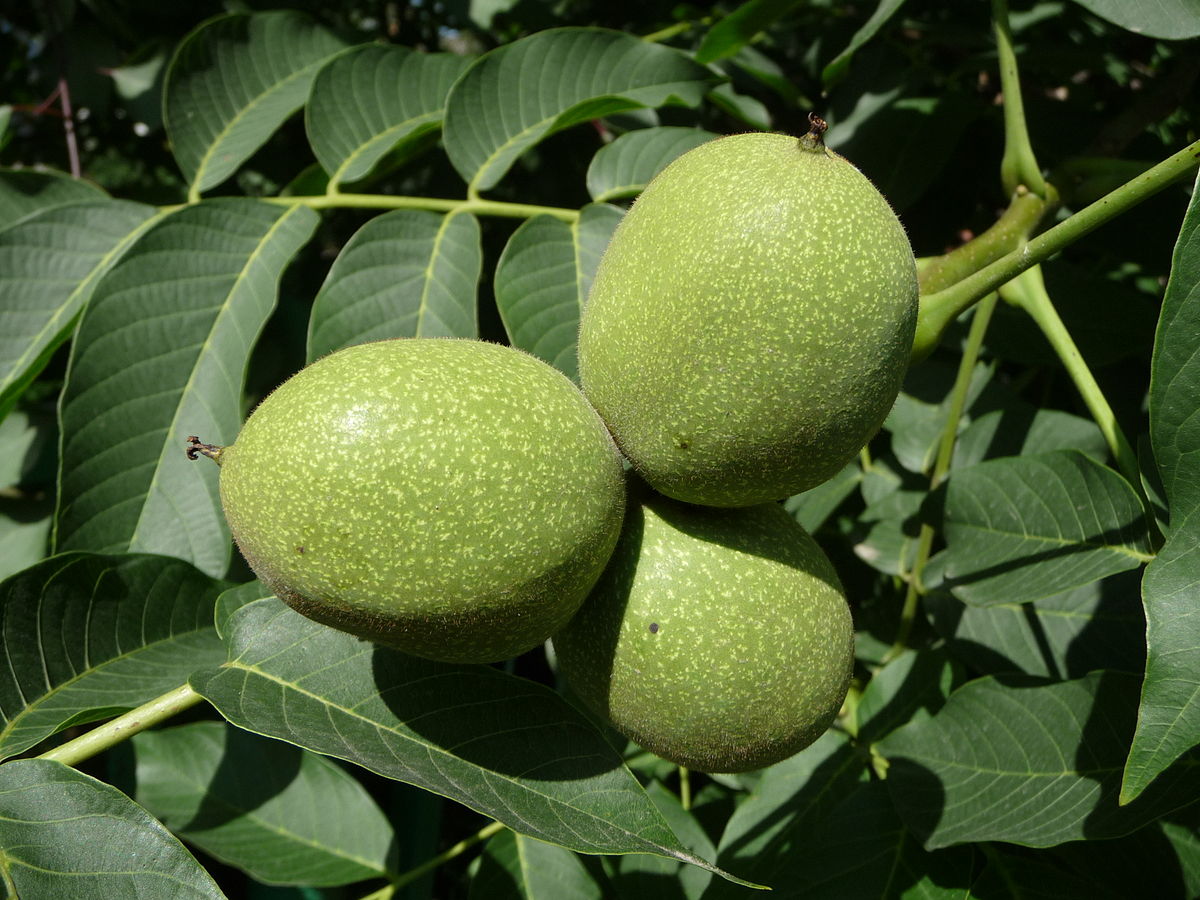
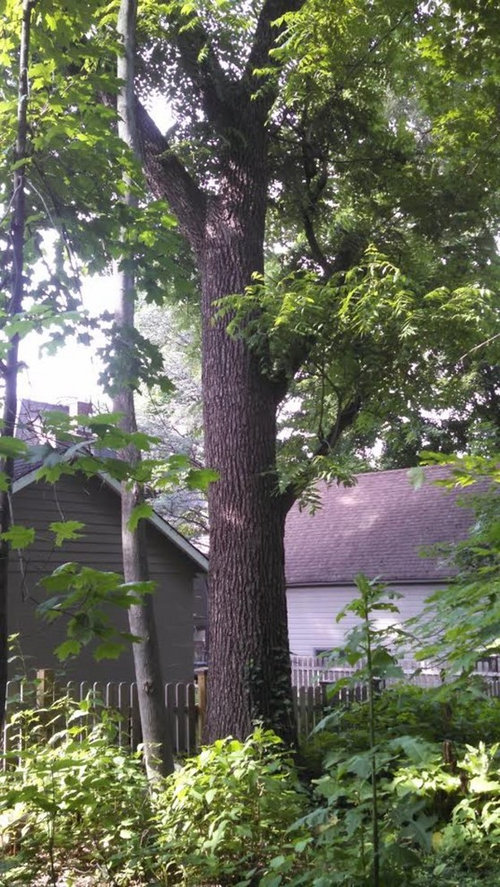
Rosie lerner black walnut juglans nigra l is a valuable hardwood lumber tree and indiana native. Raised beds near trees will help minimize toxicity but care should be taken to keep leaves twigs branches and nuts out of the bed. Juglone is chemically known as 5 hydroxy 14 naphthoquinone or c 10 h 6 o 3 is present throughout all parts of the black walnut tree. Ann joy and brian hudelson uw madison plant pathology revised.
Juglone sensitive landscape plants should be located away from black walnut trees to avoid damage. In the home landscape black walnut is grown as a shade tree and occasionally for its edible nuts. Black walnut has a faint mild odor when being worked.

Pdf Do Black Walnut Trees Have Allelopathic Effects On Other

Wire Chair In American Black Walnut With Images Wire Chair
Walnut Wikipedia
Xiaomi Came Up With A Set Of Kid S Furniture Only Interesting

Juglans Nigra Wikipedia

Andrew Pearce Cutting Boards Andrew Pearce Serving Boards Andrew

Carefully Handcrafted From Solid Black Walnut From The Forests Of
Black Walnut Tree Value

What Is The Best Wood For Cutting Boards Chosen Stones
