Varnish Vs Polyurethane For Windows
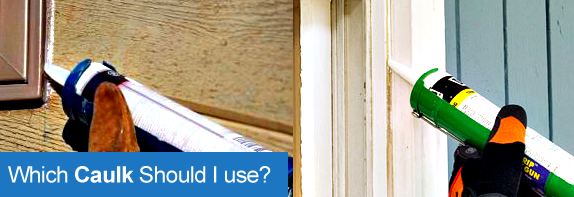
Which Caulk Should I Use Siliconized Acrylic Versues Polyurethane
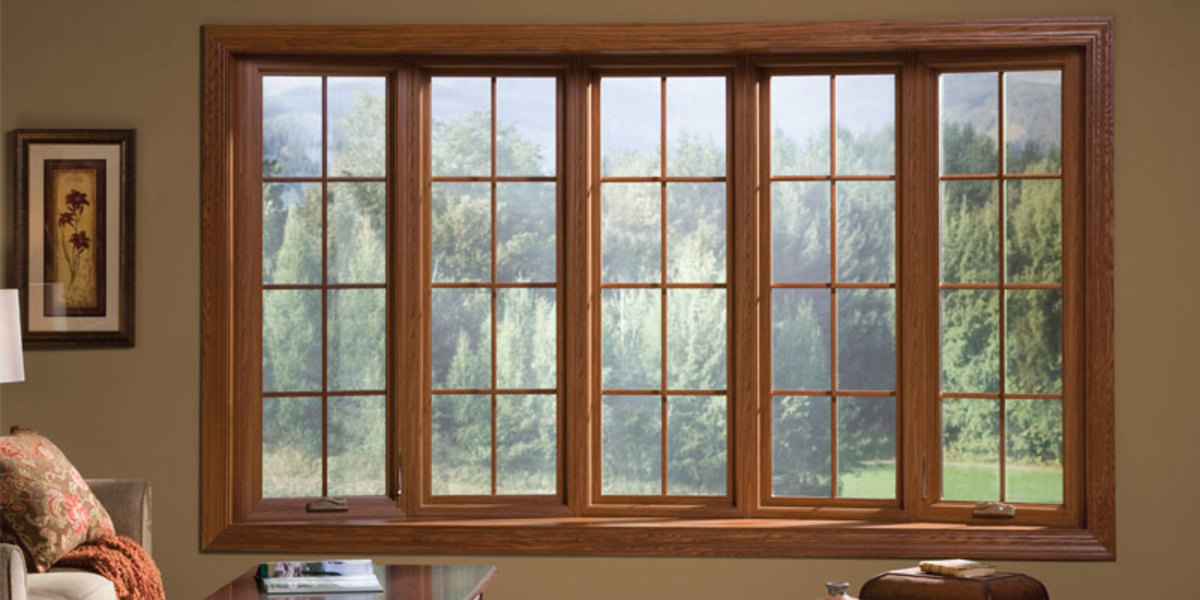
Tips For Painting Varnished Wood Dengarden
Shellac Wood Finish Colors
Polyurethane is a synthetic resin and type of varnish used in the finishing of floors cabinets and other woodwork.
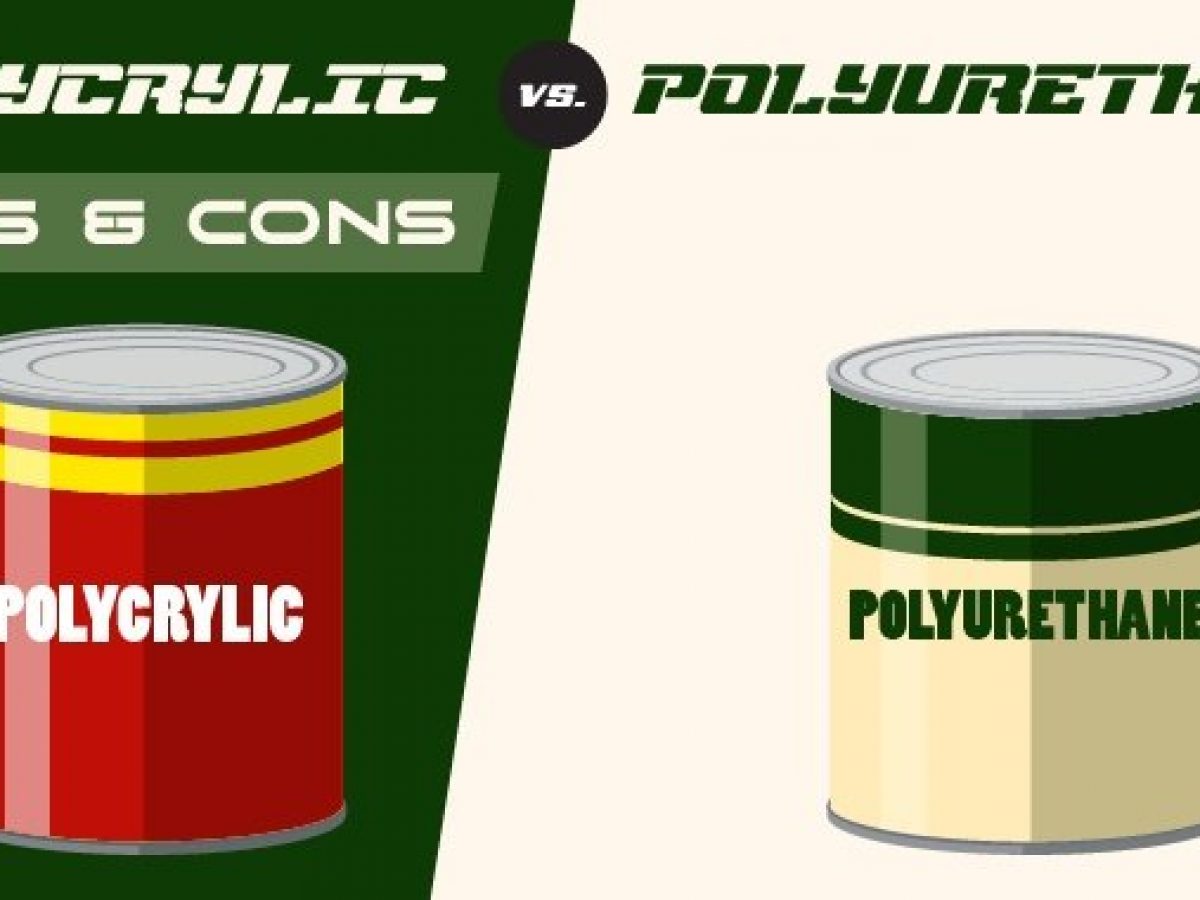
Varnish vs polyurethane for windows. 1 teaspoon to keep a partially filled can of oil based poly from skinning over cover the finish with this amount of mineral spirits. They are very similar and some people even use the phrases interchangeably. 12 months the length of time a poly should be usable after you open the canlabel the lid with the date it was unsealed. The ravages of time and use of a piece of furniture can be limited by a durable top or finish coat.
1 pint the approximate amount of poly youll need to put three coats of finish on one chair. While polyurethane is water or oil based plastic resin varnish is older and made from resins oils and solvents. There is not much difference between polyurethane vs. Last but not least every spar varnish needs to protect itself and the underlying wood from the sun.
Varnish since polyurethane also has some of the advantages and disadvantages of varnish. When applied to wooden surfaces indoors or out varnish cures into a thin and glossy film with a faint yellow or amber tint similar to the finish achieved with oil based polyurethane. Regular polyurethane and varnish contain little if any uv blocking additives and that alone makes them a poor choice for exterior application. Be sure to stir well when using these flattening agents.
Like polyurethane varnish is a curing finish. Unlike polyurethane varnish is designed for outdoor projects and is not typically used for indoor surfaces such as a hardwood floor. While the terms varnish polyurethane lacquer and shellac are commonly used to reference a final finish in general these products are not the same nor are they recommended to be used interchangeably. Polyurethanes on the other hand leave hard and durable coats that are best used for hardwood floors.
It is a desirable choice of varnish because it is transparent water. Some varnishes may even contain polyurethane.

Lacquer Polyurethane Get The Whys Whens And Hows Right Here
1591410279000000

How To Thin And Apply Spar Urethane Correctly
Shellac Vs Polyurethane Vs Varnish Vs Lacquer As Wood Finish The
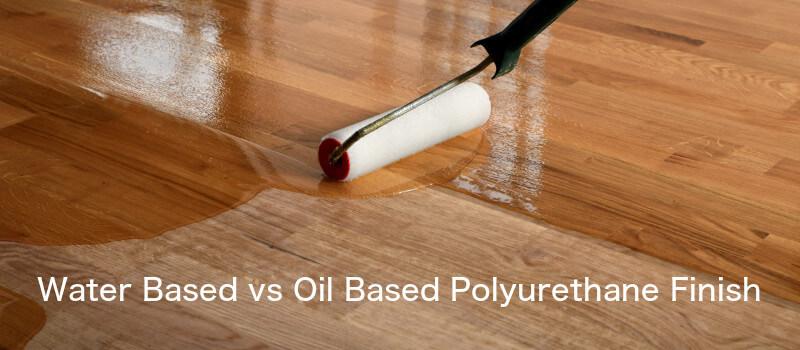
Water Based Vs Oil Based Polyurethane 2020 Home Flooring Pros

Working With Lacquer
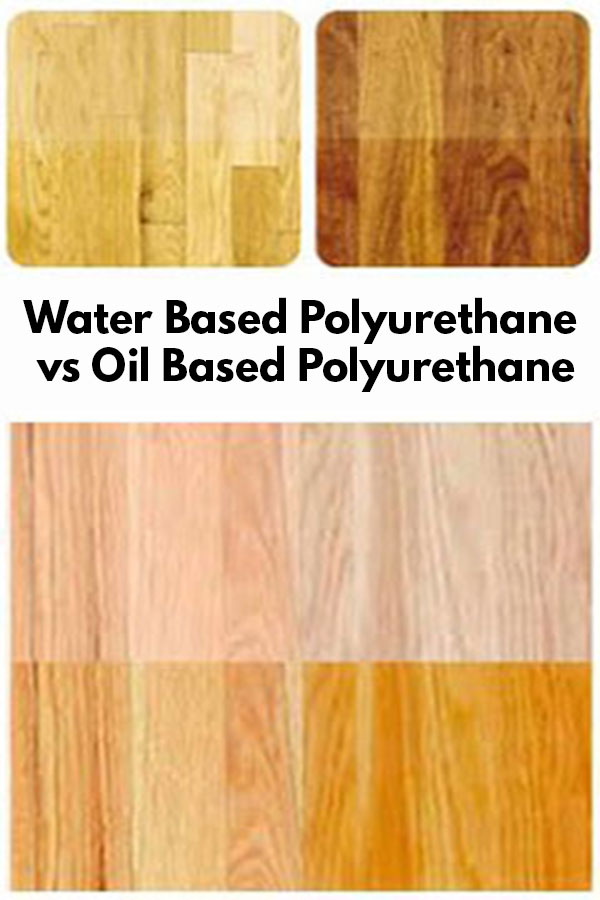
Oil Based Polyurethane Vs Water Based Polyurethane

Difference Between Varnish And Polyurethane Mycoffeepot Org
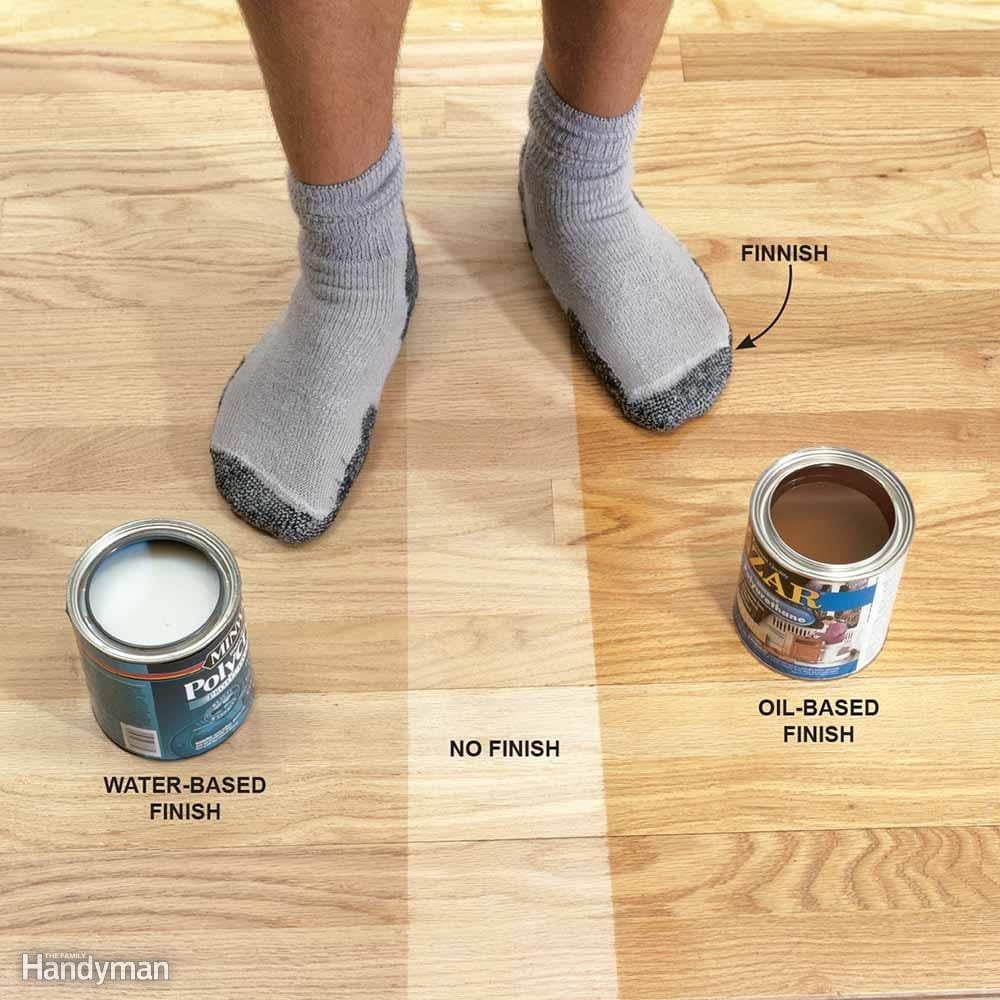
Tips For Using Water Based Varnish Family Handyman
